Use bingo to notice moments, not control the wedding
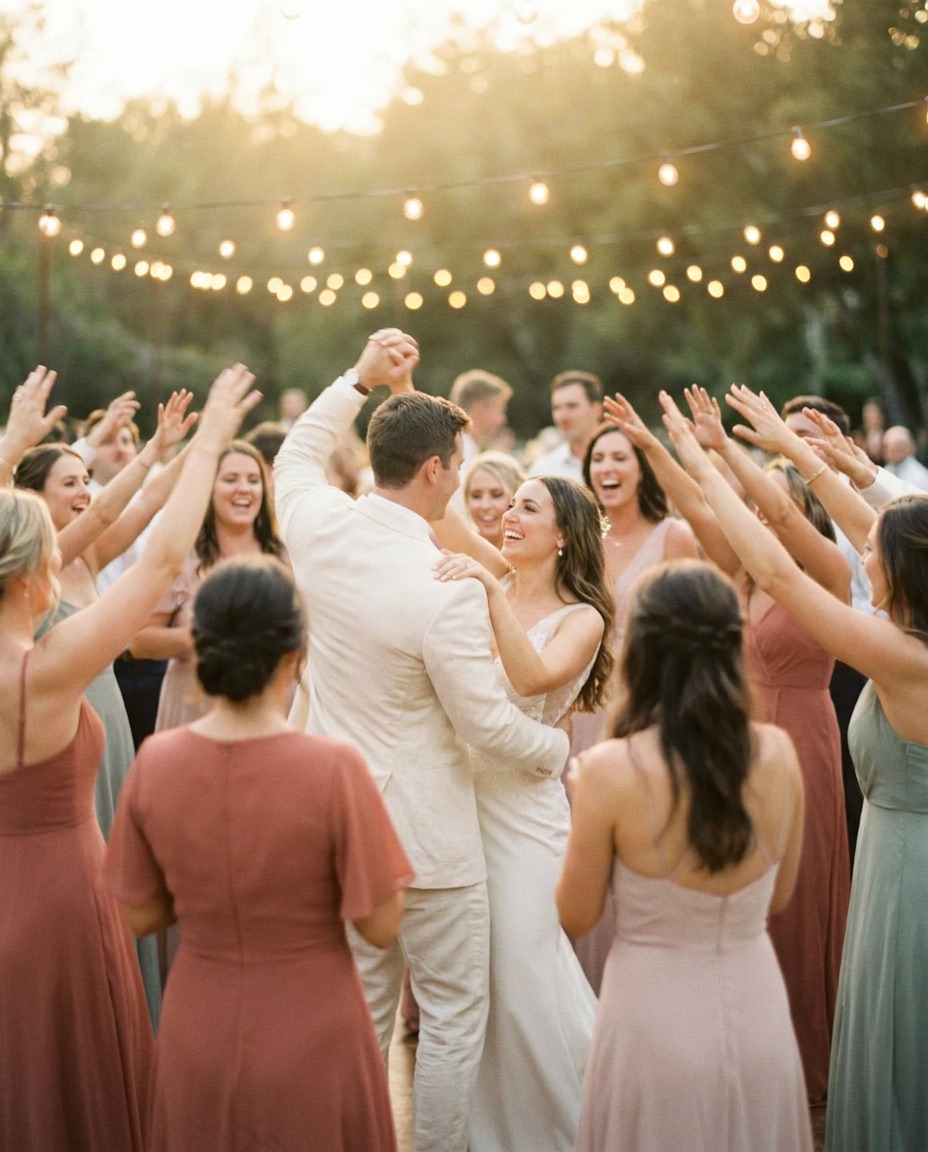
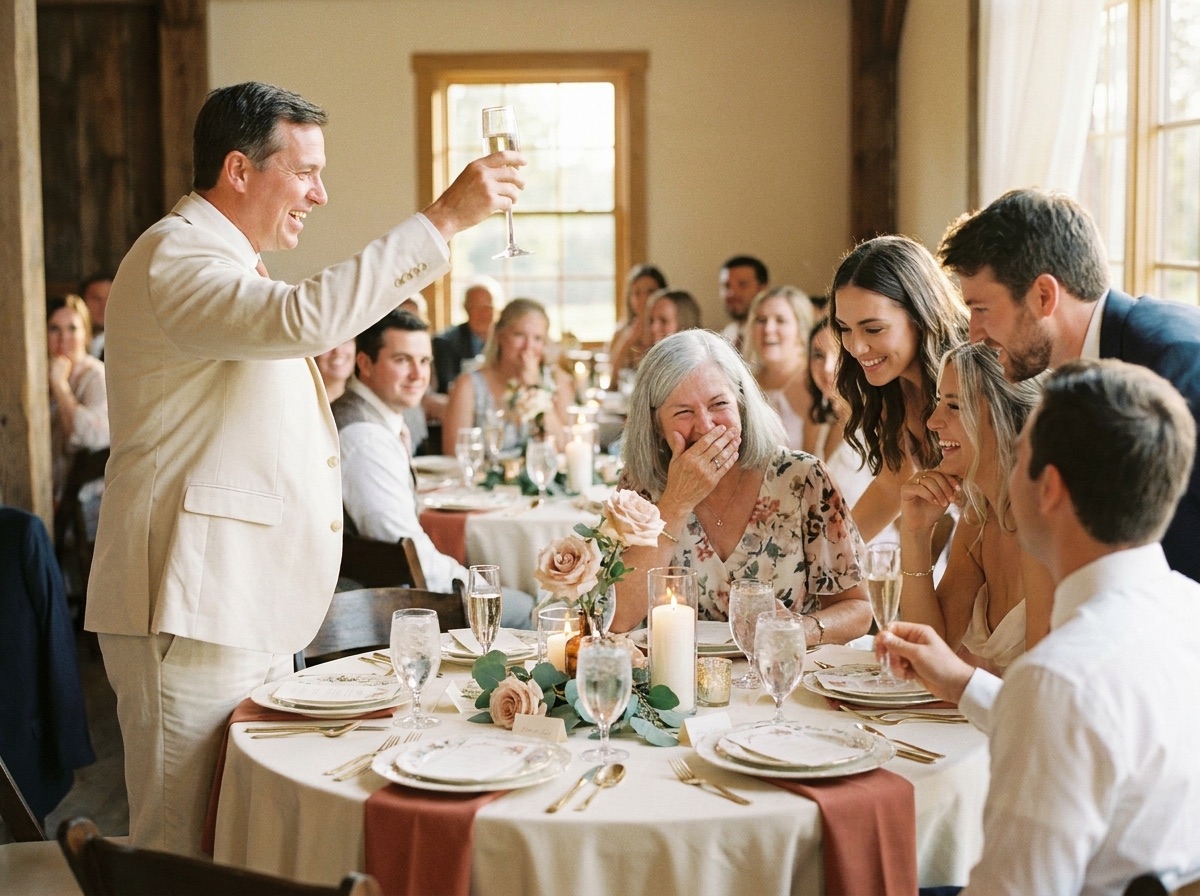
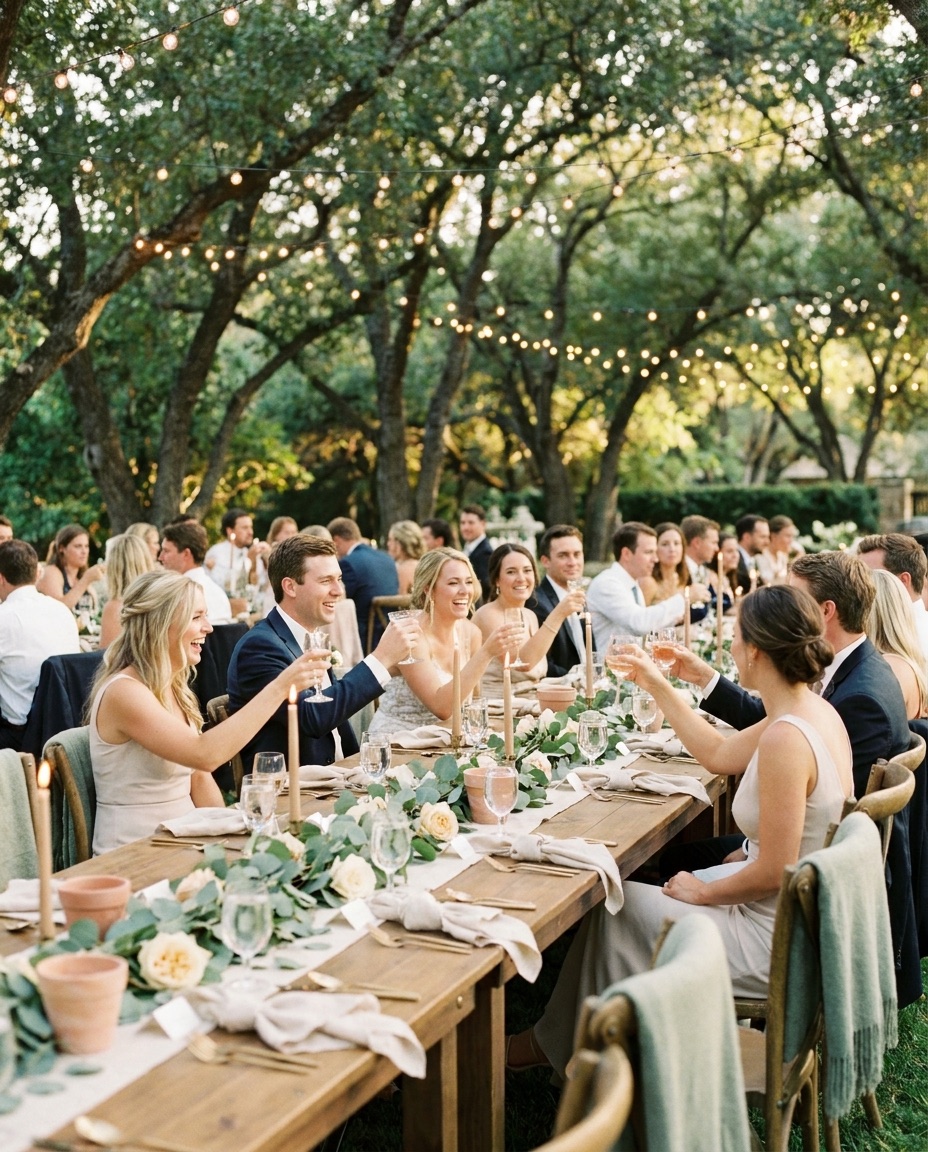
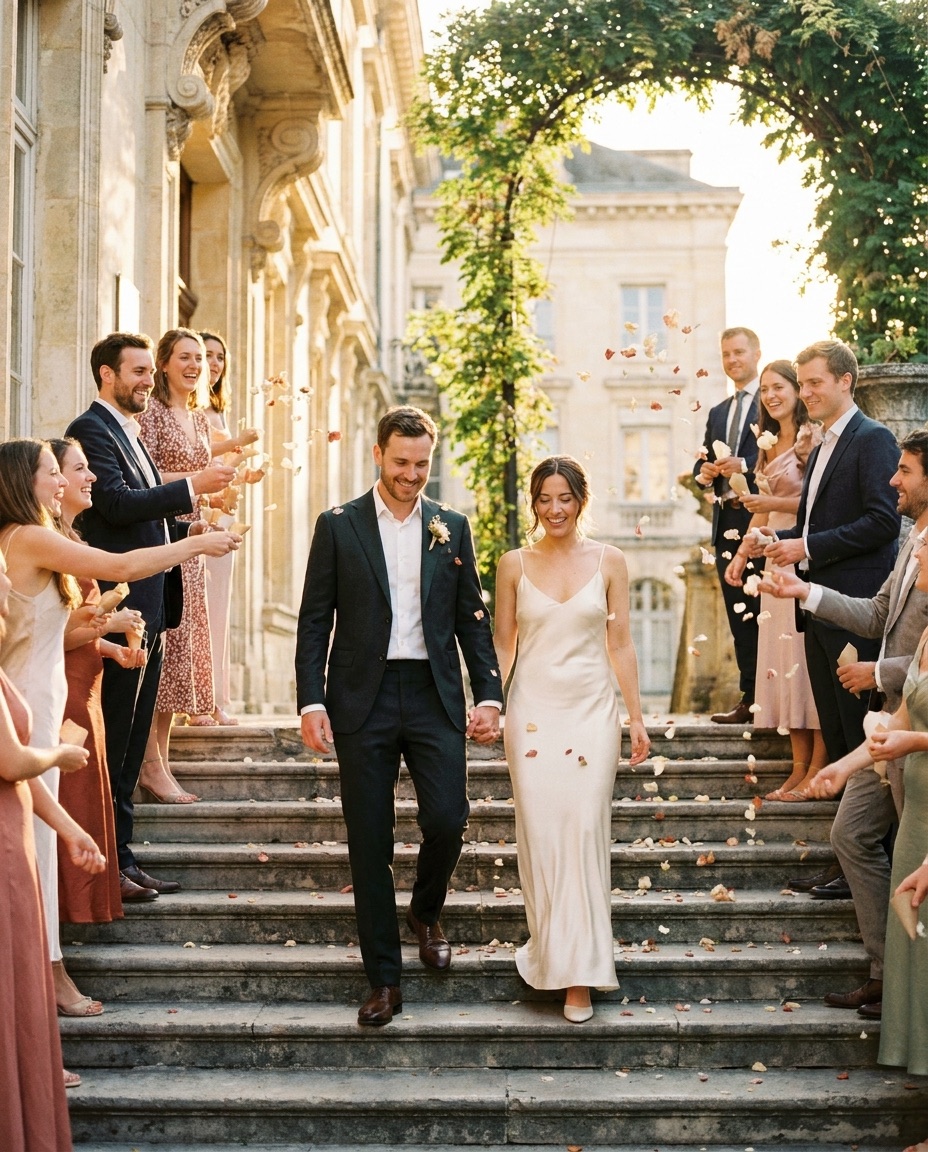
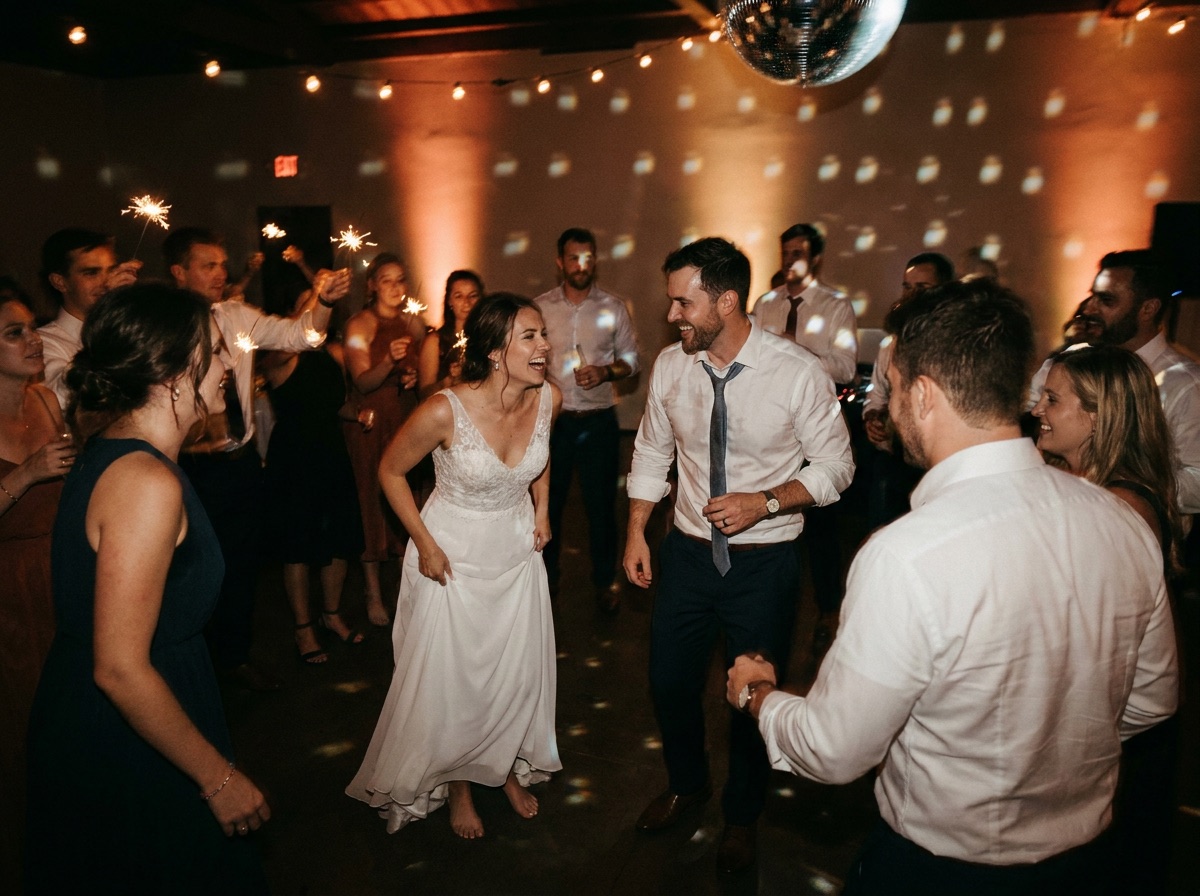
A good photo bingo card gives willing guests playful ideas while the celebration continues naturally. It should not send people across private rooms, interrupt the ceremony or compete with the photographer. Choose moments that can happen safely from a guest’s normal place: a happy reunion, an excellent dance move, a colourful drink, somebody laughing or a table selfie with permission.
Keep the activity optional. Some people want to talk, dance or care for children without checking a list. Avoid prizes that make guests push boundaries to win. The best result is a wider set of candid perspectives, not a completed grid at any cost.
Build a balanced card for your actual celebration
Mix people, details, atmosphere and simple stories. Too many prompts about the couple create repeated pictures from the same angle. Include table decorations, generations together, shoes on the dance floor, a quiet corner and friends from different parts of your life. Adapt the list for a lunch, destination weekend, cultural ceremony or low-key elopement.
Remove anything that may be insensitive. Do not assume future children, ask guests to photograph somebody crying, or turn mobility aids, religious dress or family relationships into novelty squares. Ask a trusted person from each family to review the card. Your private joke may not feel friendly to everybody who reads it.
Separate must-have coverage from guest play
Do not put essential family groups, vows or the first kiss on a bingo card and assume somebody will capture them well. Discuss must-have photographs with your professional photographer or a specifically assigned trusted person. Bingo is for the extra viewpoints that make the guest album lively. It cannot guarantee timing, lighting or a complete record.
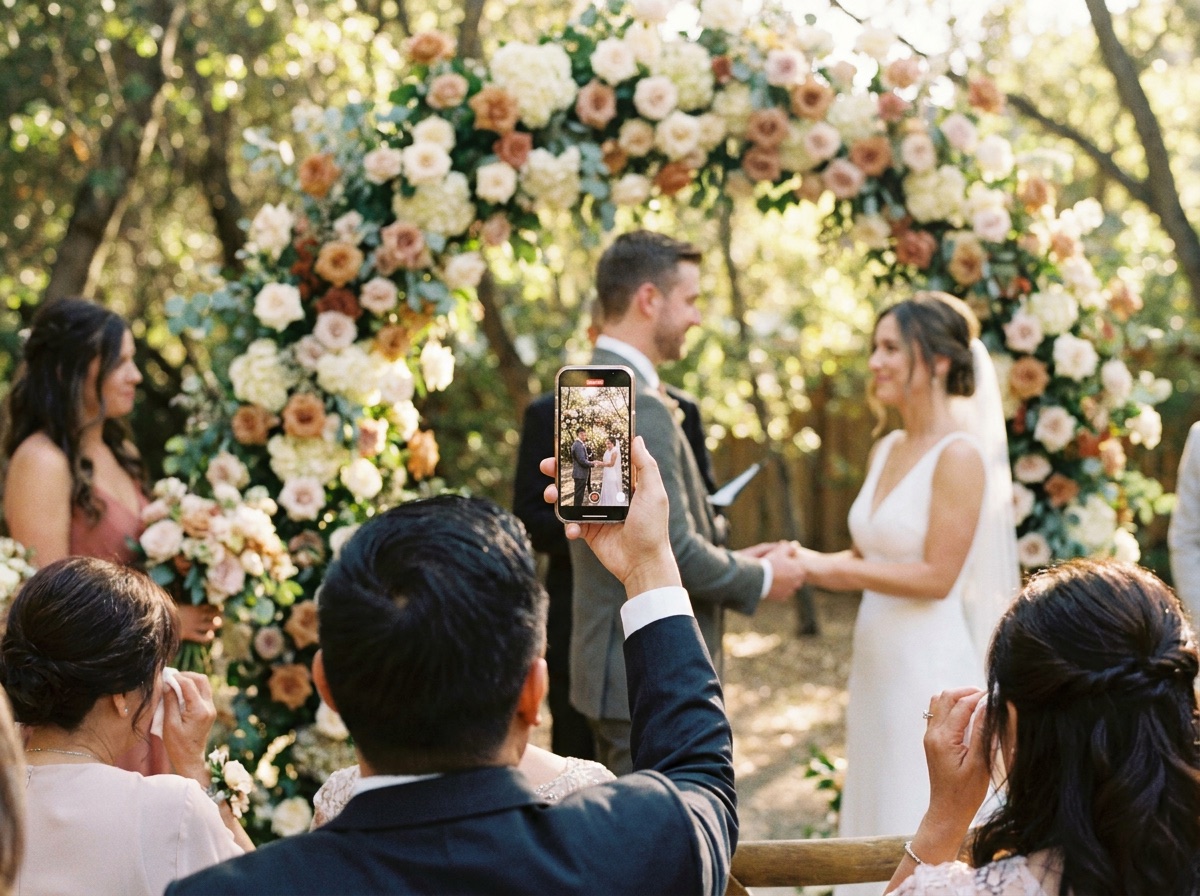
Brief the photographer that cards are in use so guests do not block aisles or direct formal groups. Keep phone-free ceremony rules unchanged. Launch the bingo at drinks or dinner, when phones are welcome. A clear boundary lets your guests enjoy the game without undermining the parts of the day you wanted people to experience directly.
Make every prompt respectful and achievable
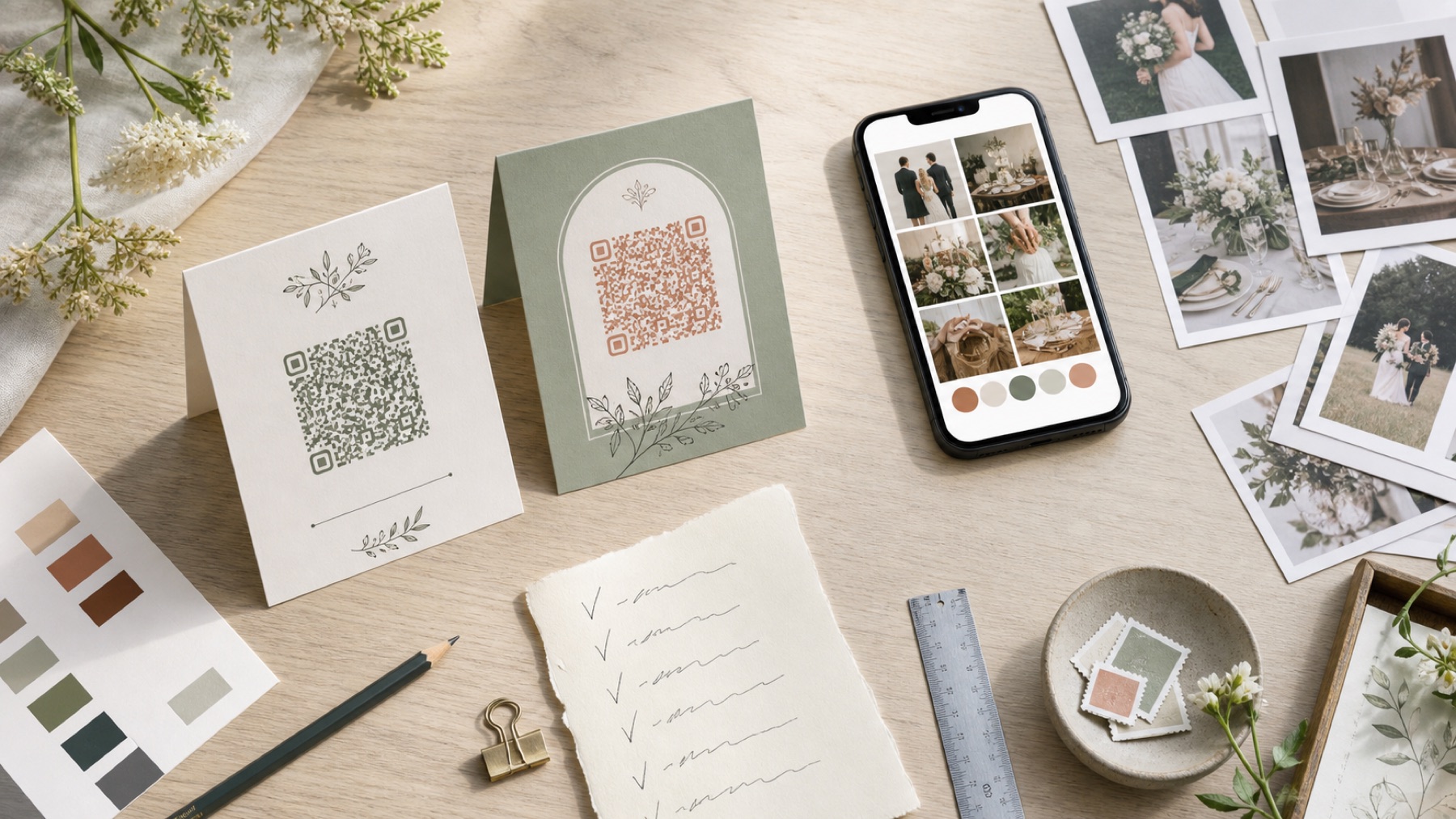
Use plain words and large readable type. A 3-by-3 grid is often easier than squeezing 25 tiny prompts onto a table card. Offer a typed album link as well as the QR code. Tell guests to ask before close portraits and never photograph private conversations, documents, breastfeeding, changing rooms or anybody who says no.
Include prompts that work for seated guests and people who do not move easily around the venue. A detail at your own table, a favourite song or a view from your seat can be just as valuable as a dance-floor task. Accessibility improves the collection because more perspectives become possible.
Collect every result in one private album
Put one album link on the card and use the same destination on signs and messages. Test it signed out on iPhone and Android before printing. Explain whether approved pictures appear to other guests or a slideshow. Turn on moderation before public display. A bingo hashtag alone can scatter files across social profiles and exclude guests who do not use the same network.
Ask players to upload original files rather than screenshots of a completed grid. Seed the album with two examples so people understand the tone. If the venue signal is weak, let guests keep their photos and upload through the direct link the next morning.
Finish with thanks, not a public leaderboard
You can mention a few warm favourites after dinner or give a small prize chosen by chance. Avoid ranking people’s photographs or showing an embarrassing image because it completed a square. Review uploads with the same privacy rules as the rest of your guest collection. Leave uncertain pictures in the couple-only archive and remove anything on request.
After the wedding, export the original files and create a favourites folder for the bingo moments. Keep the full untouched collection and another backup elsewhere. A printed collage can become a fun anniversary page, but ask before sharing recognisable guests publicly. The game ends; your responsibility for the pictures continues.
Questions, answered
How many squares should wedding photo bingo have?
A 3-by-3 grid is easy to read and complete casually. Use more only when the print remains clear and the game stays optional.
What are good wedding photo bingo prompts?
Mix people, details and atmosphere, such as a reunion, table detail, dance move, colourful drink and view from your seat.
Can bingo work at an unplugged wedding?
Yes. Keep the ceremony phone-free and introduce the cards later at drinks or dinner when photography is welcome.
Should you use a hashtag for the results?
A private album is easier to export and includes guests without social accounts. A hashtag can remain an optional public extra.
Do you need a prize?
No. If you offer one, keep it small and avoid encouraging intrusive behaviour or a competitive public ranking.
Sources and context
- ICO: advice about recognisable photographs
- UK Government Communication Service: accessible communications
Guidance was reviewed on 2 August 2026. Prices, product limits and venue conditions can change, so confirm the details that matter to your wedding.