Wedding photo guides
Wedding guest photo guides
Plan the album, print the signs, help guests share and download the original files afterward.
Make it easy for guests to share
Use one clear link, place it where guests will see it and send one helpful reminder after the wedding.
See the advice in action
Seen from your guests’ side
Plan the album, print the signs, help guests share and download the original files afterward.

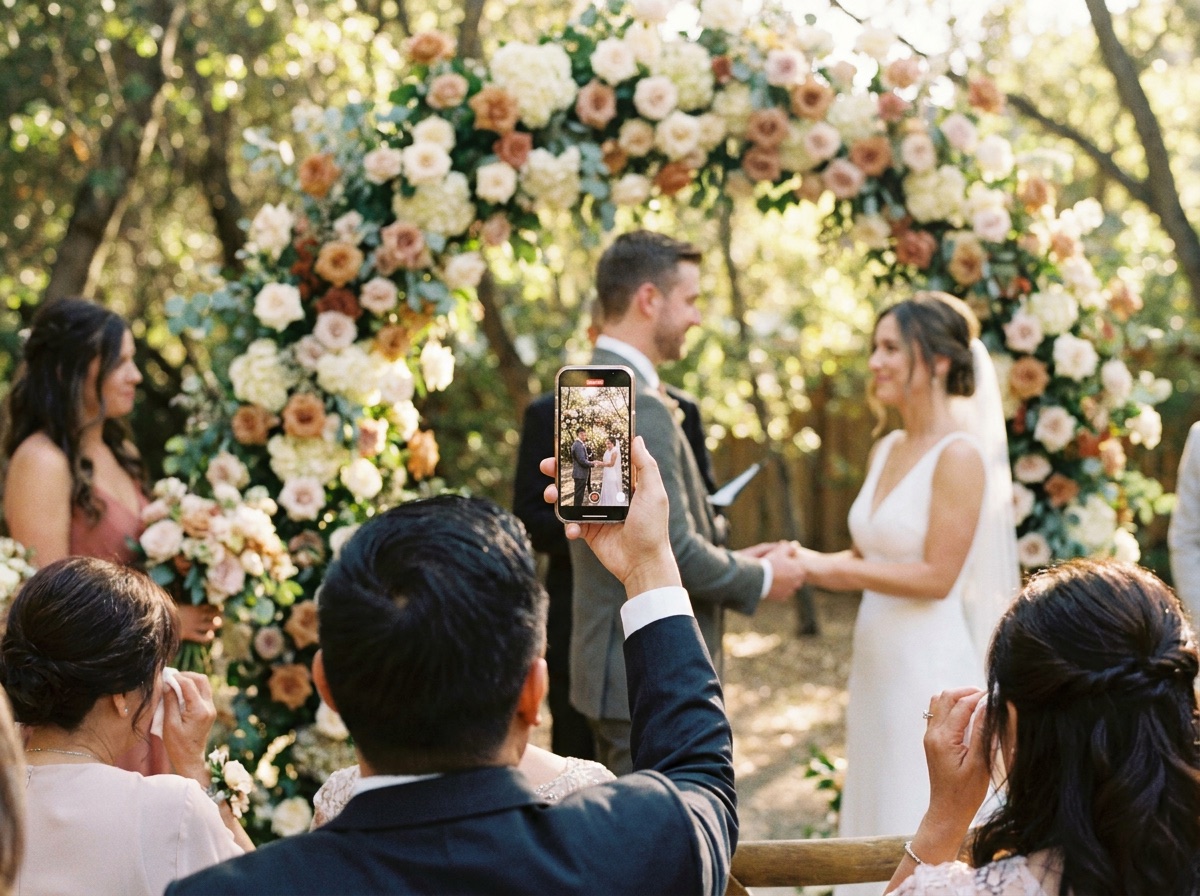

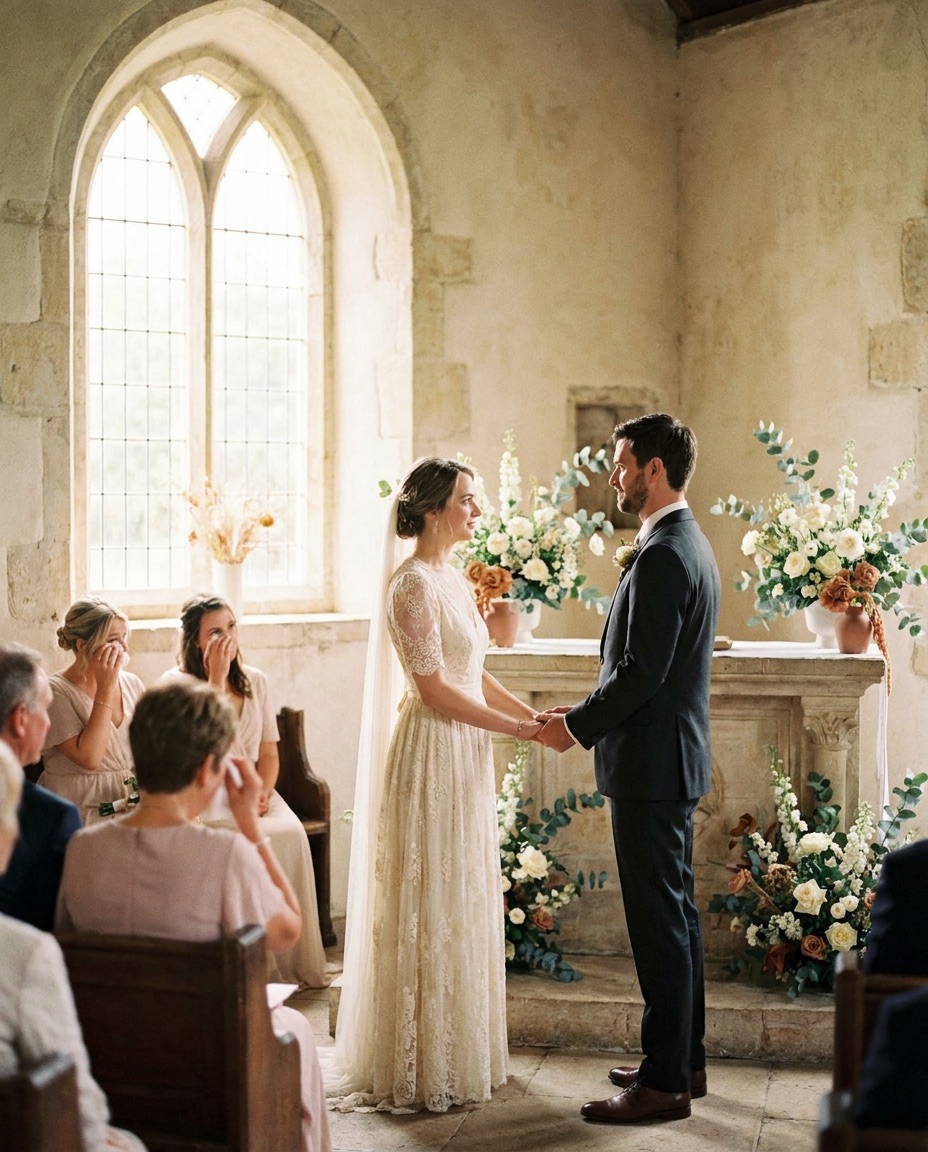






Choose what suits your wedding
Compare the charm, cost and photo quality of disposable cameras with a guest QR album.
Guest photo guides, from first plan to final download
Start with one clear upload route, make it visible at the right moments and give guests a helpful second chance the next morning.
See the full collection
Every guide in one place: choosing the album, printing the invitation, prompting guests kindly and keeping the files afterwards.
Read nextHow to make a shared wedding album guests will actually use
Create a modern shared wedding album guests can use from any phone. Plan the QR flow, private collection, live highlights and original-file archive.
Read nextHow long before the wedding should a prenup be signed?
Sign a prenup at least thirty days before the wedding, and start six months out. The seven-day statutes in California and Minnesota, the duress rules everywhere else, and a working backwards timeline.
Read nextWedding photo-sharing etiquette: a kind, practical guide
Set clear wedding photo rules for an unplugged ceremony, private guest uploads, social posting, children, difficult family situations and next-day sharing.
Read nextHow many photos do wedding guests take?
Estimate guest photo volume and choose storage using behaviours, event length and video—not a fake universal average.
Read nextWedding photo upload reminder message examples
Warm message templates for reminding guests to add photos without sounding demanding.
Read nextFree vs paid wedding photo sharing: what the free plans actually give you
Compare free and paid wedding photo sharing plans on upload caps, how long the album stays open, video, approval and downloads, with figures checked in August 2026.
Read nextHow to get candid wedding photos from your guests
Help wedding guests capture natural candid photos without giving them a job, then collect every full-quality image and video through one simple QR code or link.
Read nextHow to get your wedding photos the next morning
Wake up to wedding photos and videos from your guests with one private upload link, a well-timed reminder and no app or account for guests to manage.
Read nextWedding QR codes that guests can actually use
A wedding QR code works when the destination, print size, wording and placement have all been tested together—not when the code merely looks good on screen.
See the full collection
Create, print, place and test a wedding QR code that opens a simple guest photo upload from any modern phone.
Read nextWhere to put your wedding photo QR code
Choose effective QR placements across the entrance, tables, bar, photo booth and morning-after messages.
Read nextWedding photo QR code sign wording
Clear, warm wording examples that tell guests exactly how to scan and share wedding photos.
Read nextHow to print a wedding QR code that scans
Print-size, contrast, paper and testing advice for reliable wedding QR table cards and signs.
Read nextDigital wedding guestbooks with more than messages
Choose the memories you want to receive, give guests a quiet and obvious moment to contribute, and test the complete recording journey before the day.
Guest photos alongside your wedding suppliers
Guest sharing is a different outcome from dedicated professional coverage. Compare responsibilities, costs and delivery before deciding where each belongs in the plan.
Private wedding photo sharing and moderation
Collection, gallery visibility and public display are separate decisions. Make each one explicit before sharing the wedding link.
See the full collection
Set expectations, control gallery visibility and decide what can appear in a live slideshow before guests start uploading.
Read nextShare wedding photos without social media
Use a private link and QR code so every guest can contribute without Facebook, Instagram or public posting.
Read nextReliable wedding uploads on real venue connections
Test the signed-out guest journey on the venue network, provide a mobile-data route and schedule a follow-up for anyone who cannot upload on the day.
See the full collection
Prepare for weak Wi-Fi, mixed phones and interrupted uploads before the wedding depends on them.
Read nextWhat to do if your wedding venue has weak Wi-Fi
Simple ways to collect your guests’ wedding photos when the venue has patchy Wi-Fi or mobile signal, including one quick test and an easy morning-after message.
Read next