What Is an Unplugged Wedding: A Modern Guide
Discover what is an unplugged wedding, why couples choose it, and how to implement it. Learn etiquette, scripts, and modern QR photo alternatives.
From first scan to shared album
See what is an unplugged wedding: a modern guide from the guest’s side.
Discover what is an unplugged wedding, why couples choose it, and how to implement it. Learn etiquette, scripts, and modern QR photo alternatives.
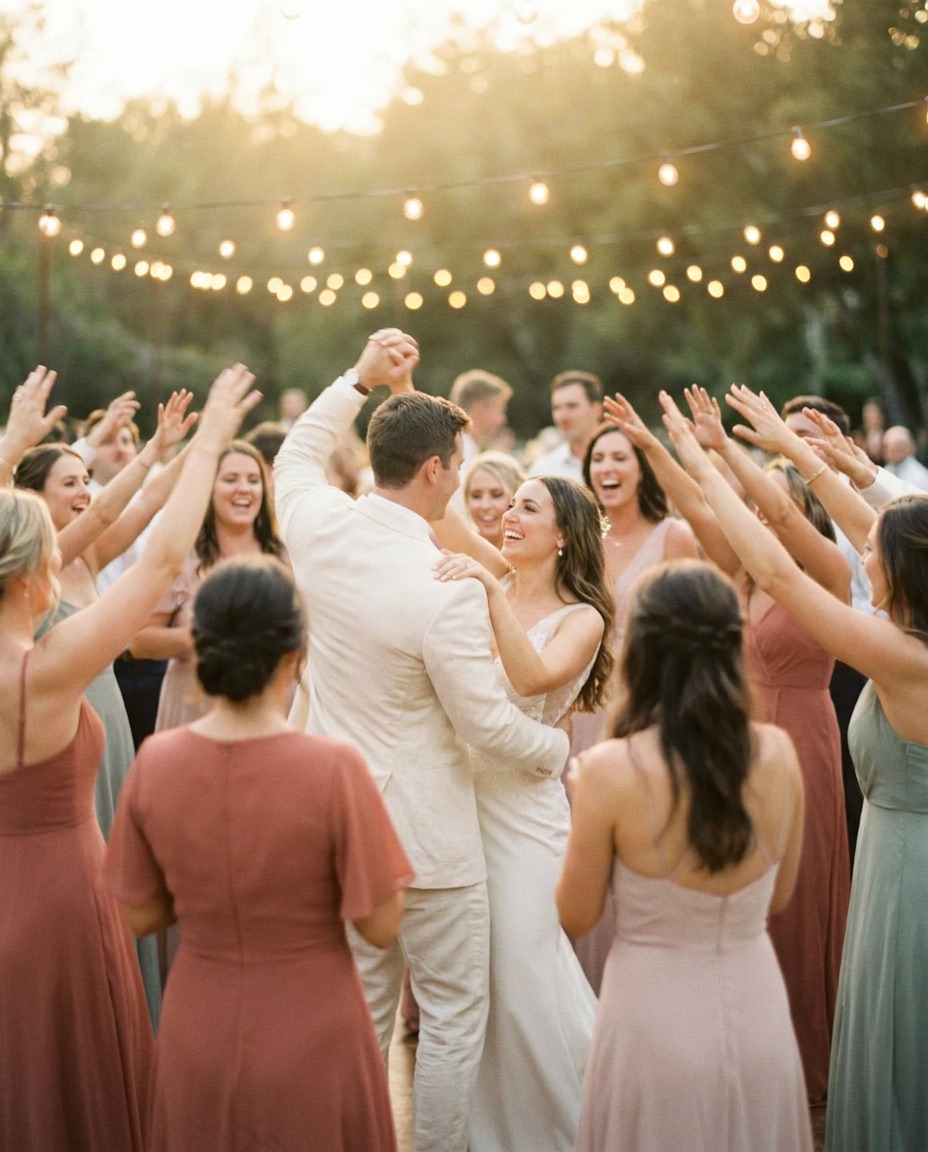
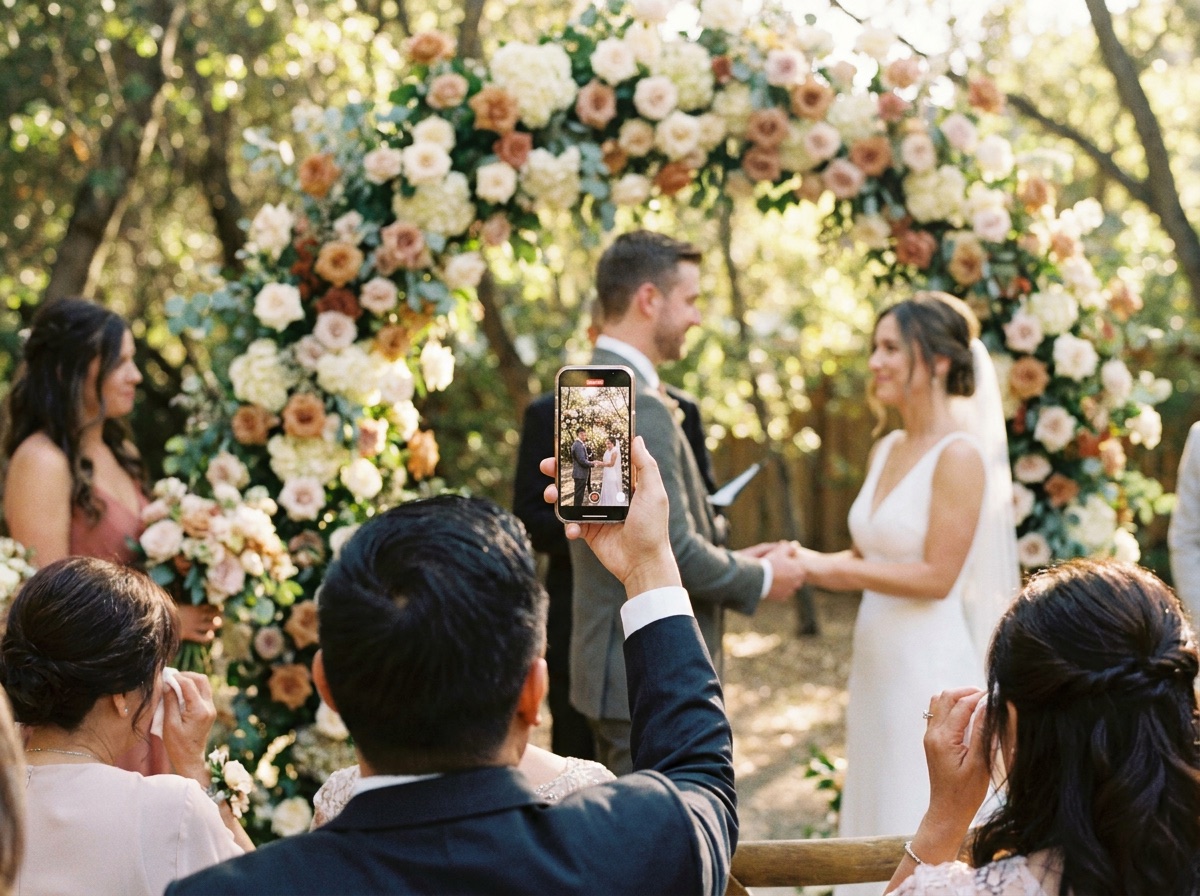

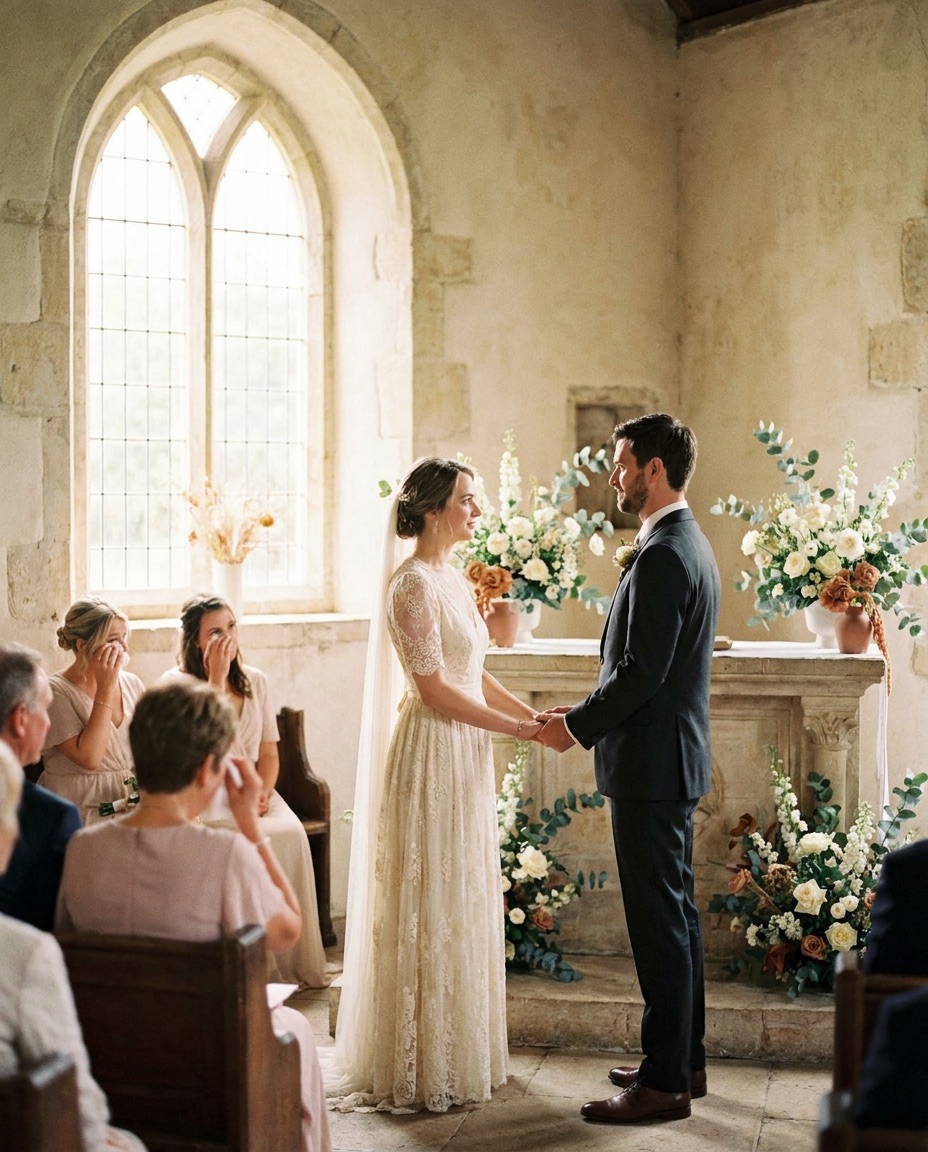

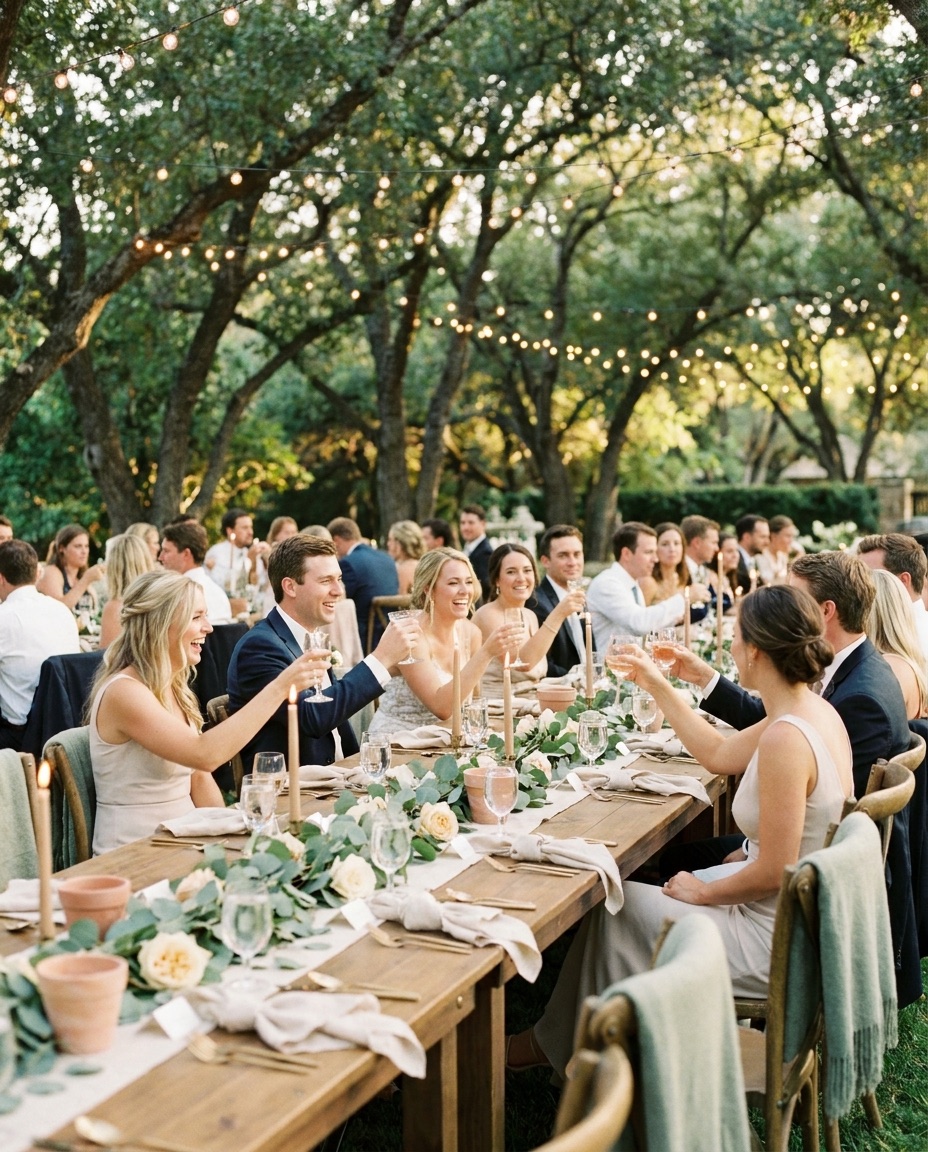
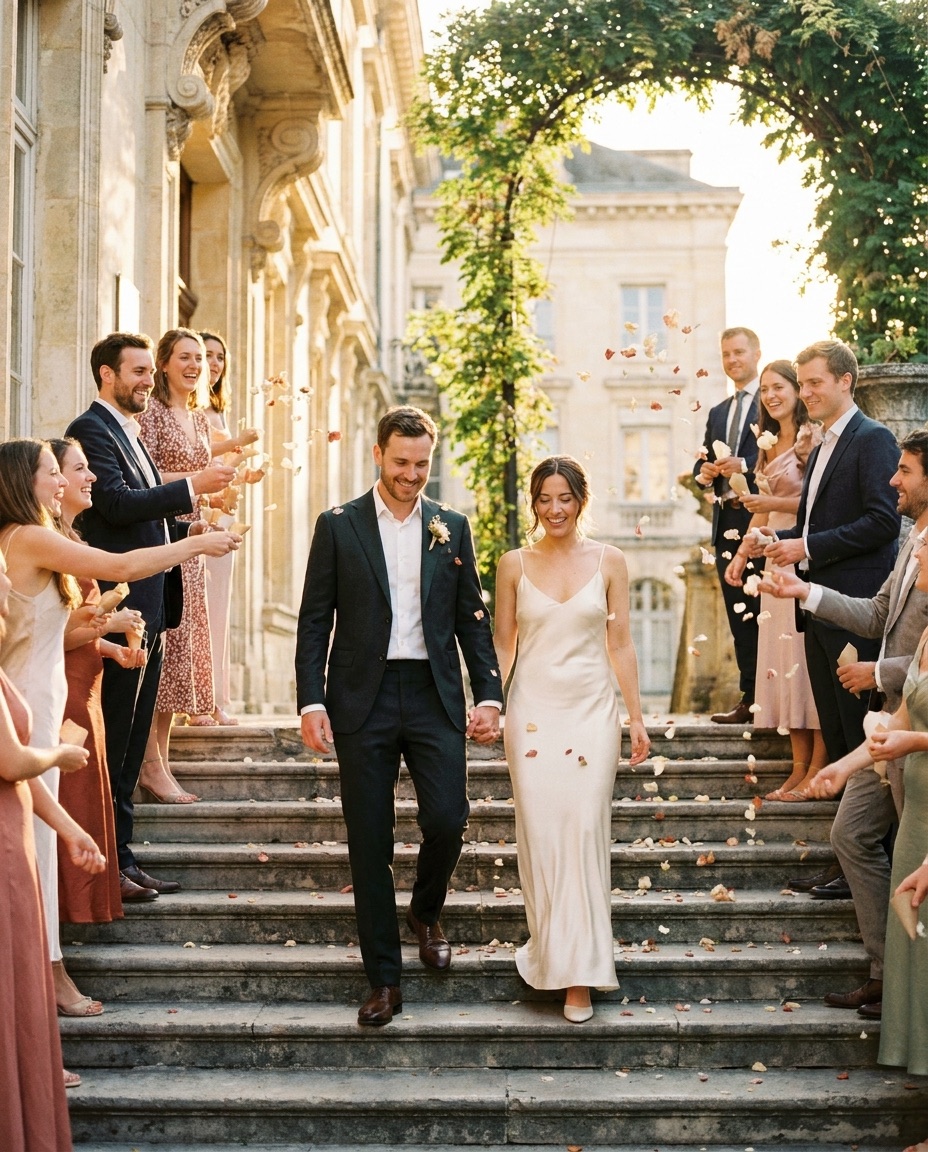
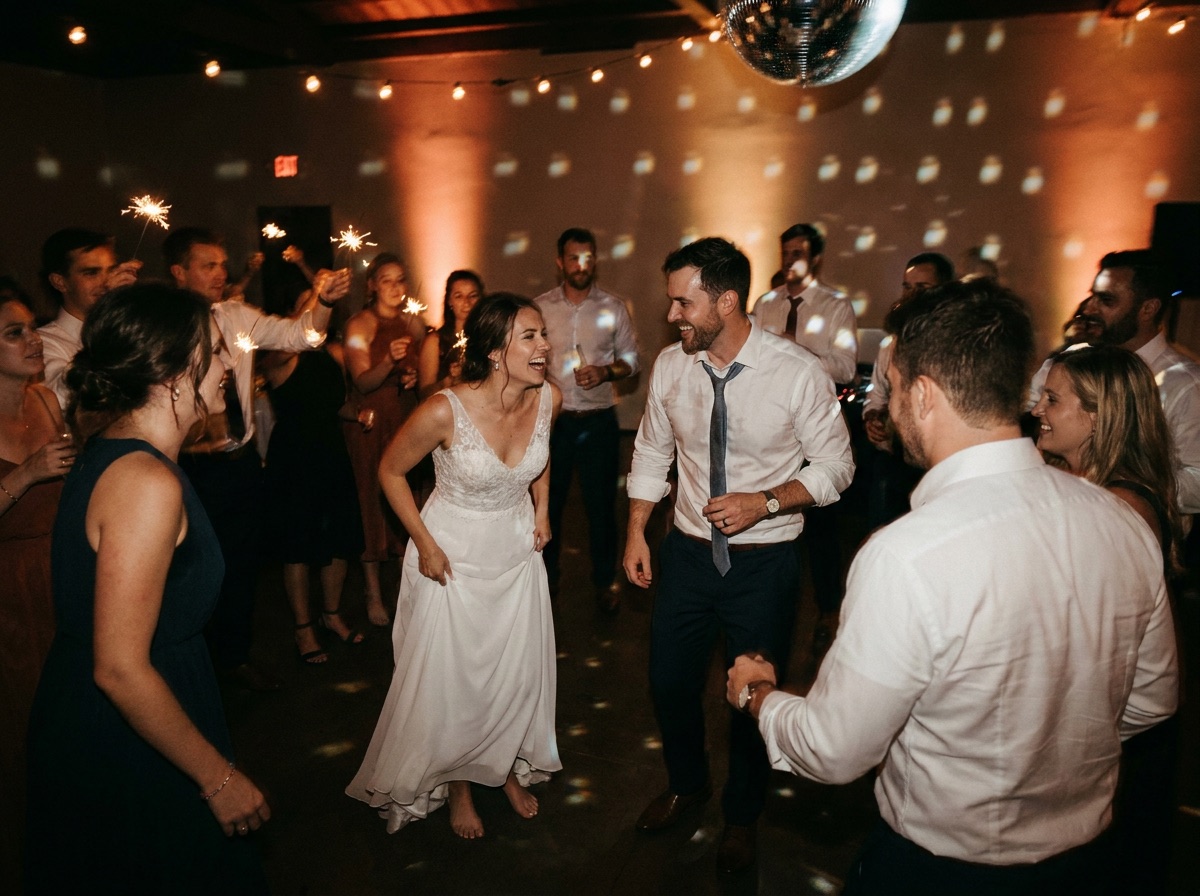


An unplugged wedding is a ceremony where guests put away phones and cameras so everyone stays present and the professional photographs remain clear. In a 2024 survey cited in 2026 coverage, 38% of couples had at least a partially unplugged ceremony, compared with 9% in 2015, a fourfold-plus increase over roughly a decade (trend coverage).
You've probably seen the problem before. The processional starts, the person you love walks down the aisle, and someone raises a phone. Then a tablet appears. A guest leans into the aisle for a better angle, while your photographer tries to protect the shot of the entrance, the vows, or the first kiss.
That's the practical answer to what is an unplugged wedding. It's a boundary around the ceremony, not necessarily a ban on technology for the entire celebration. Guests watch the vows without recording them, then take photos, videos, and candid moments at the reception or during a planned photo window afterward.
Table of Contents
- Defining the Unplugged Wedding Experience
- How Guest Screen Time Affects the Ceremony
- Executing a Flawless Unplugged Rollout
- Navigating Etiquette and Announcement Scripts
- Modern Alternatives for Guest Photo Sharing
- Final Thoughts on Presence and Boundaries
Defining the Unplugged Wedding Experience
The problem appears in seconds. You walk toward your partner, your photographer has positioned themselves for the entrance, and a guest rises with an iPad between the camera and the couple. The guest is excited and means well, but that device can block the exact frame you hired a professional to capture.

An unplugged wedding asks guests to put away phones, cameras, tablets, and other recording devices during the ceremony. Apply the boundary to the processional, vows, ring exchange, signing, and recessional. Afterward, guests can generally use their phones freely.
This focused rule works better than a day-long ban. The ceremony is short, emotionally unrepeatable, and arranged around clear sightlines. Guests sit close together, while the photographer needs an unobstructed view of the entrance, vows, and first kiss. The reception has a different rhythm, with dancing, speeches, table conversations, and informal moments that suit guest photography.
The useful mindset: You're protecting the ceremony from competing with phones, not punishing guests for bringing them.
Why couples choose the boundary
Phones create two problems. A raised arm, bright screen, or guest stepping into the aisle can turn a carefully composed professional image into a blocked or distracting frame. Phones also change how guests participate. Someone watching through a screen may check the image, adjust the recording, or think about sharing it instead of looking directly at you.
Your photographer can work around ordinary movement, but they cannot recreate a fleeting entrance or first kiss. Couples who care about privacy should also decide who may post images and whether guests need permission before sharing them. Set those expectations early with a clear wedding photo privacy guide.
A managed workflow gives guests a role after the ceremony. Tell them exactly when recording stops, then offer a QR-based photo collection or a planned photo window where they can upload candid perspectives. That approach keeps the vows distraction-free while preserving the spontaneous images guests are eager to capture.
The policy has become more common over time. Trend coverage describes officiants noticing a shift around 2014, with some reporting that unplugged ceremonies represented about 90% of their weddings by 2015. Later survey figures suggest the idea moved from a niche preference to an established option in at least some regions (reported trend context).
The clearest policy is phones away for the vows, phones welcome for the celebration. Explain the boundary, state when it ends, and give guests an easy QR tool or photo window for sharing memories afterward.
How Guest Screen Time Affects the Ceremony
A guest raises a phone during the entrance, another stands for a better angle, and a third checks whether the video is recording. Asking everyone to put devices away is reasonable when the ceremony is brief and emotionally important. Behavioral observation of 1,800 guests found that 62% used a phone during the ceremony, spending an average of 8 of the 30 ceremony minutes looking at a screen (guest phone behavior study).
That time changes the room. Guests may look down to review a photo, adjust a recording, or check notifications instead of watching the vows. Smiling faces can still be present, but some are partly hidden behind phones.
Reception behavior explains why a strict ban can feel out of step. The same observation found that guests spent 47 minutes on their phones during a 5-hour reception, representing about 16% of attendance time, while 38% of phone use involved taking wedding photos or video.

The issue isn't only the photograph
One quick photo from a seat rarely ruins a gallery. The greater problem starts when several guests act as unofficial photographers. They stand, lean into the aisle, lift devices above their heads, or move toward the front during the entrance, vows, and first kiss.
The clutter affects attention as well as composition. Parents and friends who would normally show a natural reaction may instead manage framing, storage, notifications, or video quality. Your photographer can work around ordinary movement, but blocked sightlines and raised phones can remove the candid reactions that make ceremony images feel personal.
A clear policy protects three practical priorities:
- Professional coverage: Your photographer can work without guests blocking key angles.
- Shared attention: Guests watch the couple instead of viewing the ceremony through a screen.
- Emotional reactions: Photos show visible faces rather than a row of devices.
The recommendation is simple: manage the timing, not every use of technology. Keep phones away during the ceremony, then give guests a defined photo window or QR-based collection for candid images afterward. Guests still contribute their perspectives, while the vows remain free from recording tasks.
Set the boundary before the process begins. State when recording stops, when phones may return, and where guests should upload photos. If someone forgets, let the officiant or coordinator give a discreet reminder. Couples should not spend their vows scanning the seats for a glowing screen.
Executing a Flawless Unplugged Rollout
A vague request produces vague compliance. Tell guests about the policy early, remind them when they arrive, and have the officiant say it aloud immediately before the ceremony begins. Expert guidance identifies that sequence as more effective than relying on a sign alone (unplugged wedding etiquette guidance).
Build the expectation before the wedding
Start with your wedding website. Use plain language and explain the reason without sounding defensive. Guests are more likely to cooperate when they understand that the request protects the ceremony and professional photographs rather than trying to control their entire day.
A simple website sentence could read:
“We'd love for you to be fully present during our ceremony, so please silence and put away phones and cameras until we walk back down the aisle. We'll welcome guest photos throughout the reception.”
If invitations haven't gone out, add a short insert. If they're already mailed, use the website, a reminder email, or a message from the wedding party. Don't assume “unplugged” means the same thing to every guest. Spell out phones, cameras, tablets, and video recording.
Use signage as reinforcement
Place an elegant sign at the ceremony entrance where guests will see it while checking seating. Keep the wording warm and specific:
“Please silence and put away all phones and cameras during the ceremony. Be present with us while our photographer captures the moment. Photos are welcome after the recessional.”
Signage helps guests who arrive late or missed the website message. It shouldn't carry the entire policy, though. Guests may be greeting friends, finding seats, or helping relatives, so some will never read it.
Make the announcement the control point
The officiant's announcement is the most reliable intervention. It happens at the exact moment guests are settling down, and it gives the request a clear, shared authority. Ask for a warm delivery rather than a stern warning.
A short script works:
“Before we begin, the couple kindly asks that all phones and cameras be silenced and put away during the ceremony. Please enjoy this moment with them, and leave the photography to the professional team. You're welcome to take photos once the ceremony concludes.”
The announcement should happen just before the processional, not several minutes earlier. If the ceremony includes a particularly important entrance or first kiss, the officiant can reinforce the request without interrupting the service.

For the transition afterward, assign one person to make the next step obvious. A coordinator can point guests toward a photo area, reception entrance, or QR sign for uploads. A QR code wedding photo setup gives guests a defined action after the ceremony instead of leaving them unsure whether the phone restriction still applies.
Navigating Etiquette and Announcement Scripts
You don't need to choose between an inflexible day-long ban and unlimited phone use during the vows. The most practical choice for most couples is a ceremony-only policy, because it protects the moments most vulnerable to disruption while allowing guests to participate in the reception.
| Approach | What guests do | Best fit | |---|---|---| | Strict day-long policy | Phones and cameras stay away throughout the wedding | Couples prioritizing complete privacy | | Ceremony-only policy | Devices are put away until the recessional | Couples who want presence during vows and guest photos afterward | | Aisle-protection policy | Guests may photograph from their seats but don't stand or enter the aisle | Couples who want maximum flexibility | | Planned photo window | Devices stay away during vows, then guests receive a defined chance to take photos | Couples who want a clean ceremony and immediate guest memories |
My recommendation is the ceremony-only model unless you have a specific privacy reason to extend it. It's clear, reasonable, and easy for the officiant to explain.
Website wording
For a relaxed wedding:
“We'd love for everyone to enjoy the ceremony without phones or cameras in the way. Please keep devices away until we walk back down the aisle, then take all the photos you like during the celebration.”
For a formal or privacy-focused wedding:
“To preserve the privacy and atmosphere of our ceremony, we request that guests do not use phones, cameras, tablets, or recording devices until the ceremony has concluded. Thank you for helping us keep this moment present and personal.”
Sign wording
Keep the sign shorter than the website message:
“Unplugged ceremony, please. Silence and put away phones and cameras until the recessional. Thank you for being fully present with us.”
If you're allowing photos from seats, say so:
“Phones are welcome after the recessional. During the ceremony, please remain seated and keep devices out of the aisle.”
The one-minute photo opportunity
A short photo window before the music begins can satisfy guests who feel anxious about missing the entrance. Give them a clear instruction: remain in their seats, take personal photos quickly, then silence and put away devices before the processional.
This compromise works best when the coordinator or officiant announces the transition. Don't leave it to guesswork. Say, “You have a brief moment for photos now. When the music begins, please put phones away for the ceremony.”
For more polished wording around permissions and guest sharing, use these wedding photo permission templates. The key is consistency. If the sign says “no cameras” but the officiant says “please keep the aisle clear,” guests won't know which rule applies.
Modern Alternatives for Guest Photo Sharing
The strongest objection to an unplugged ceremony is understandable: guest photos feel personal. A professional photographer captures the planned coverage, but guests notice the spontaneous hug, the funny dance-floor expression, the quiet conversation at a table, and the details that happen outside the photographer's position.
The answer isn't to let phones compete with the vows. It's to create a separate workflow for guest content after the ceremony.
Treat the day as two capture environments
During the ceremony, the priority is presence and clean professional coverage. During the reception, the priority can shift toward participation and informal documentation. Tell guests exactly when that transition occurs, then give them a simple place to send what they capture.
A QR upload workflow can support that change:
- Guests see a QR card at the reception entrance, tables, or bar.
- They scan it with their phone camera.
- A browser page opens without requiring an app or guest account.
- They choose photos or videos from the phone and upload them.
- The couple reviews content before selected items appear in a gallery or slideshow.
That process avoids the familiar mess of separate group chats, direct messages, and scattered social posts. It also gives guests a clear reason to take their phones out once the ceremony boundary has ended.

Use a moderated private album
The Wedding Pics is one example of this approach. It lets guests scan a QR code and upload photos, videos, and messages from a mobile browser without installing an app or creating an account. The couple can moderate what appears in the gallery or live slideshow, and original-quality files can be downloaded individually or exported as a whole album (wedding photo-sharing workflow).
That matters because guest content has different needs from professional coverage. You may want candid images visible during the reception, while keeping uploads private until you've reviewed them. You may also want to preserve original files for printing or archiving rather than relying on compressed messaging-app copies.
Place the QR code where guests naturally pause:
- Reception entrance: Explain that guest photos are now welcome.
- Table cards: Keep the upload option visible throughout dinner.
- Guestbook table: Pair written messages with photo and video uploads.
- Venue slideshow area: Display approved contributions during the celebration.
Use direct wording:
“The ceremony is complete. Photos and videos are welcome at the reception. Scan the QR code to add your favorite moments to our private wedding album.”
Avoid turning the upload system into another obligation. Guests should be able to contribute quickly, skip it if they prefer, and return to the celebration. The technology should support the social experience, not replace it.
The resulting model is simple and modern: device-free vows, intentional guest capture afterward, professional images protected throughout. You're not rejecting technology. You're assigning it the right job at the right time.
Final Thoughts on Presence and Boundaries
An unplugged wedding isn't really about winning an argument over phones. It's about deciding what you want your ceremony to feel like. If you want to look down the aisle and see faces rather than screens, a ceremony-only policy is a sensible boundary.
Choose the level of restriction that matches your priorities:
- Choose a strict ceremony policy if clean professional coverage and guest attention matter most.
- Choose a seated-photo policy if you want guests to take pictures but need the aisle protected.
- Choose a planned photo window if guests strongly want an entrance photo before the ceremony starts.
- Choose a day-long restriction only if privacy, cultural expectations, or venue conditions make it necessary.
- Choose a reception upload workflow if you want candid guest perspectives without letting phones dominate the vows.
Tell guests early, reinforce the message at the entrance, and have the officiant deliver the final reminder. Give people a clear transition after the recessional so they know when photos are welcome again.
Don't let enforcement become your memory of the ceremony. If one guest raises a phone, stay focused on the person you're marrying. Your coordinator, officiant, or photographer can handle the practical details. The purpose of the boundary is to help you feel present, not to give you another task during the vows.
A well-managed unplugged ceremony gives you the best compromise modern weddings can offer. Guests watch the important moments directly, your photographer has room to work, and everyone can still contribute candid memories once the celebration begins.
The Wedding Pics gives your guests a private QR-based place to upload reception photos, videos, and messages from their phone browser, without an app or account, while you control what appears in the gallery or slideshow. Set up a guest-photo workflow that begins after your unplugged ceremony by visiting The Wedding Pics.
- unplugged wedding
- wedding etiquette
- phone free ceremony
- wedding photo sharing
- wedding planning