8 Unique Ideas for Weddings on a Budget
Discover unique ideas for weddings on a budget, from QR guest photos and DIY venues to brunch catering, digital invites, and smarter timelines.
From first scan to shared album
See 8 unique ideas for weddings on a budget from the guest’s side.
Discover unique ideas for weddings on a budget, from QR guest photos and DIY venues to brunch catering, digital invites, and smarter timelines.
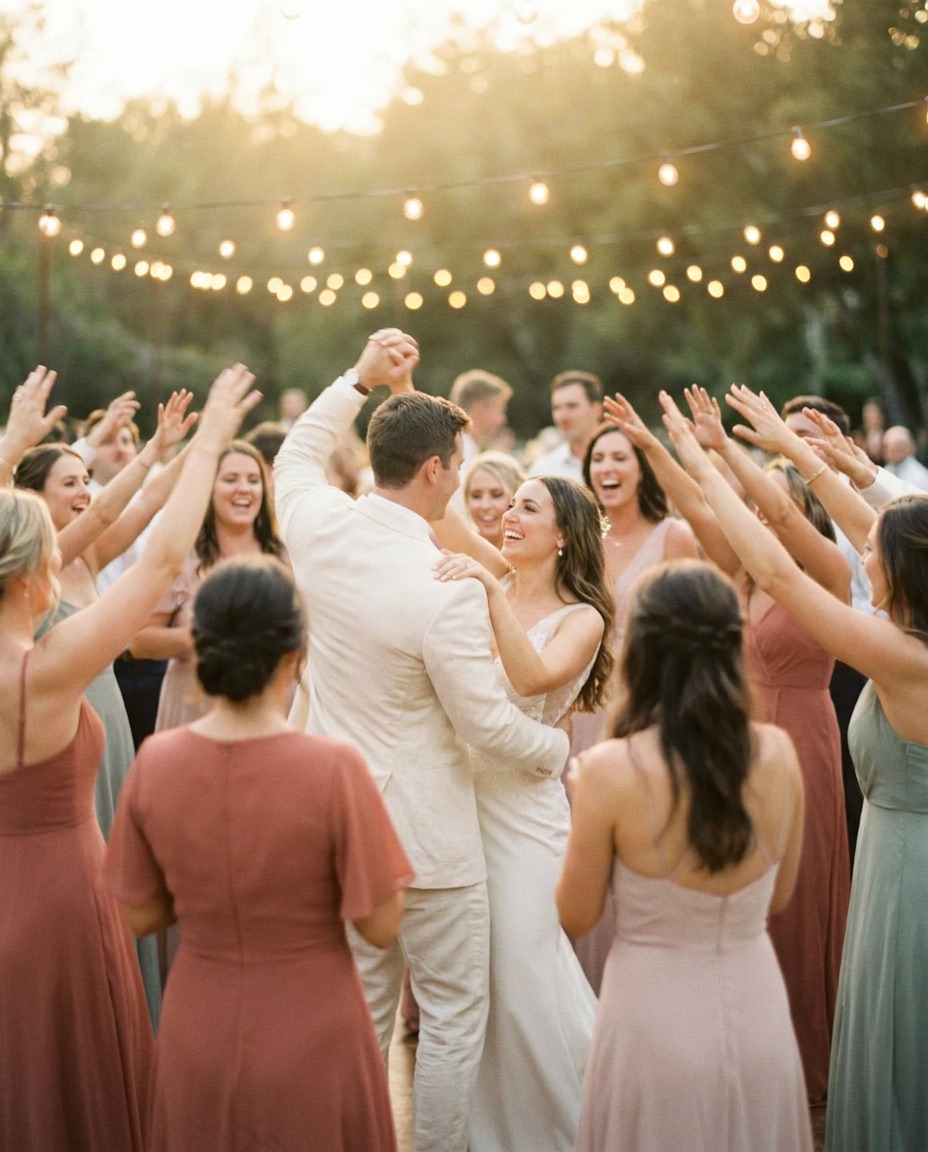
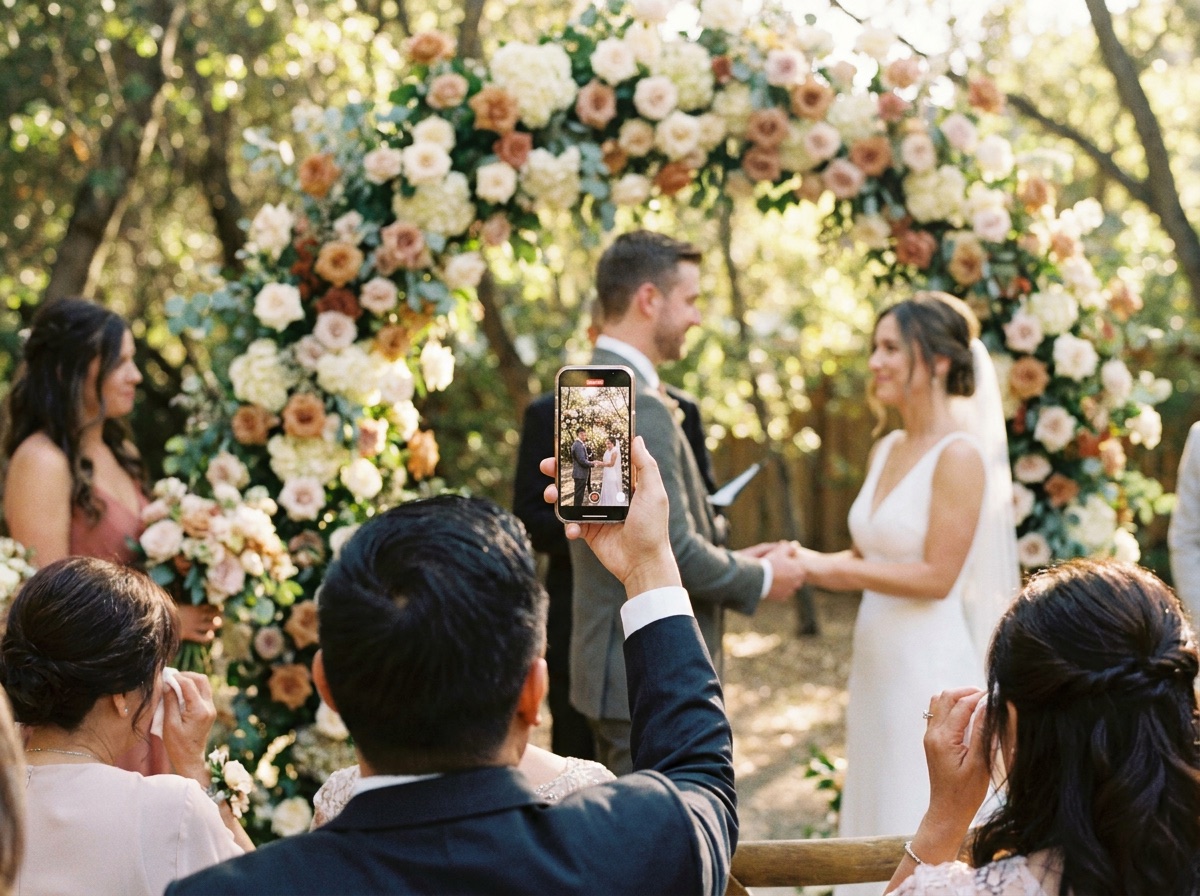

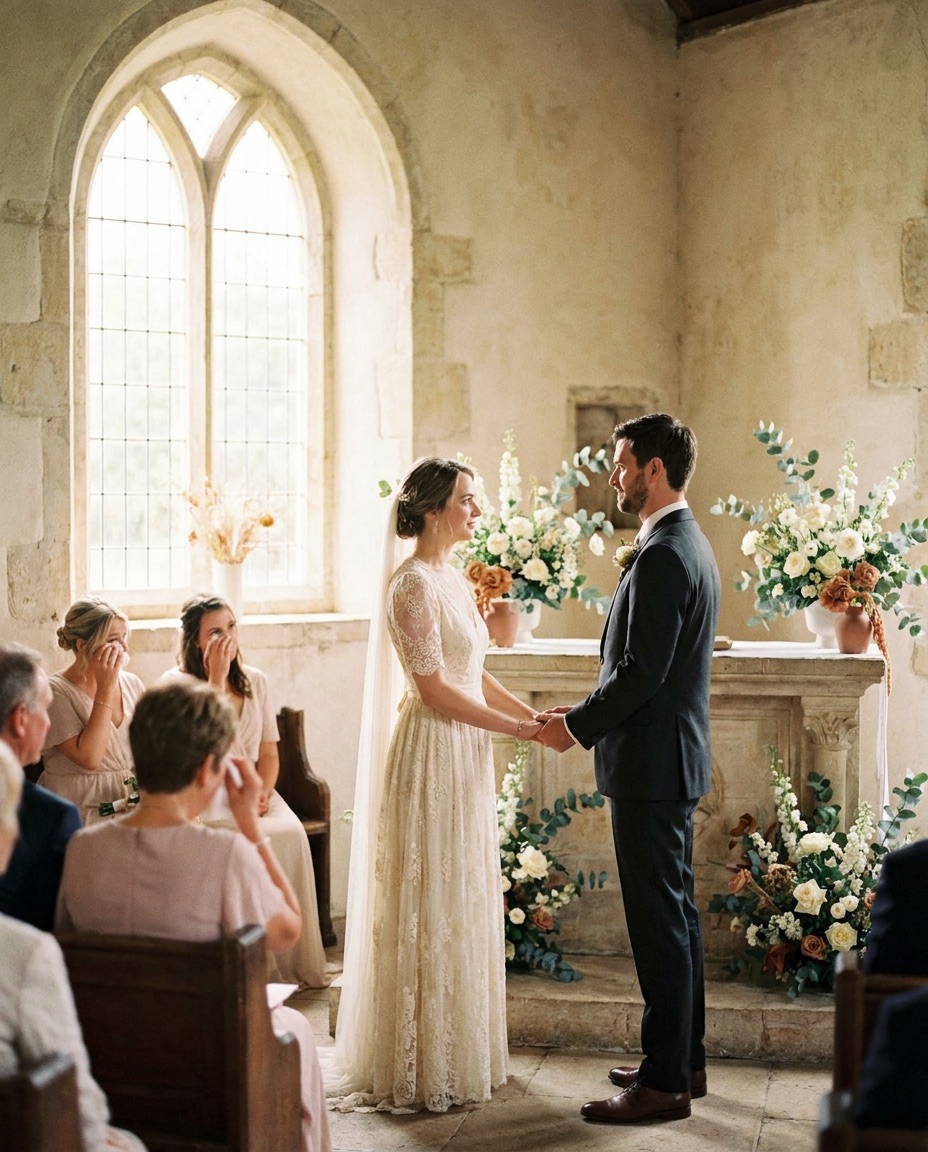
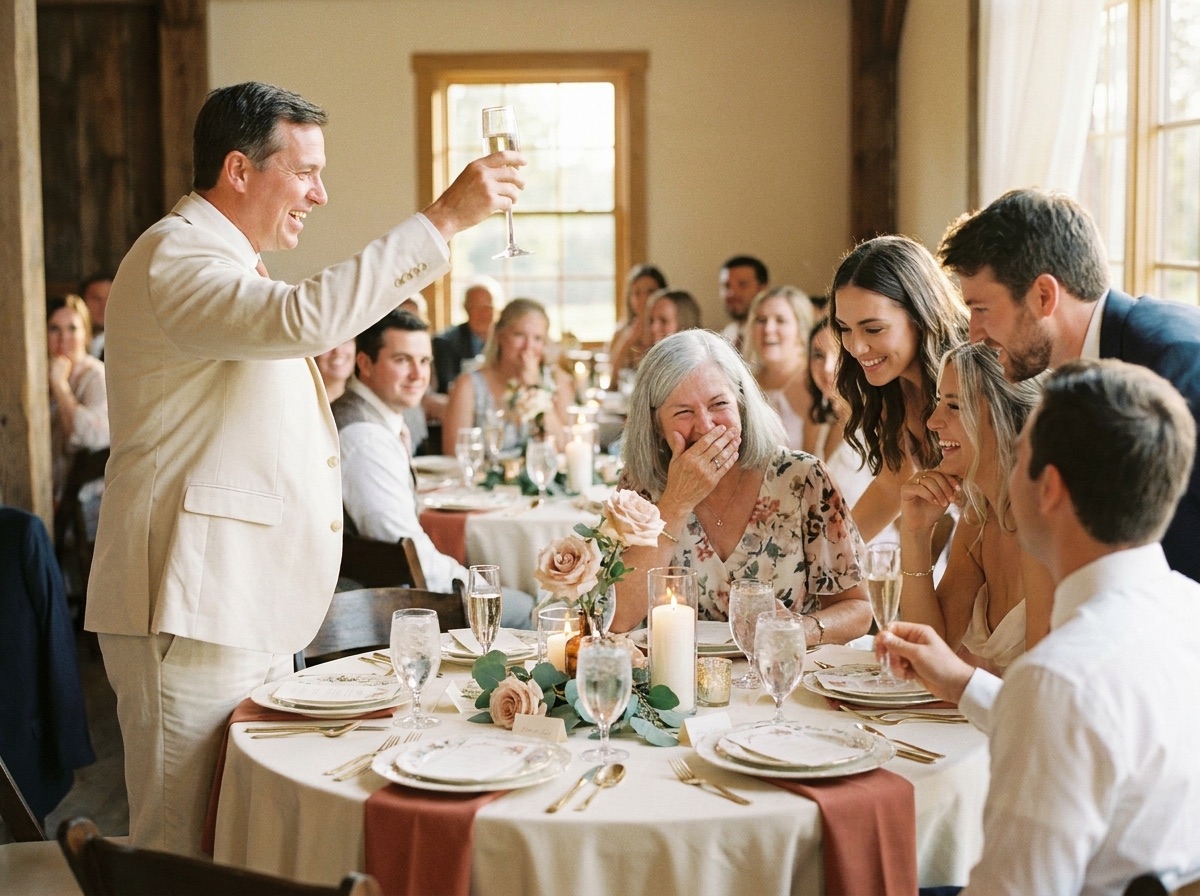
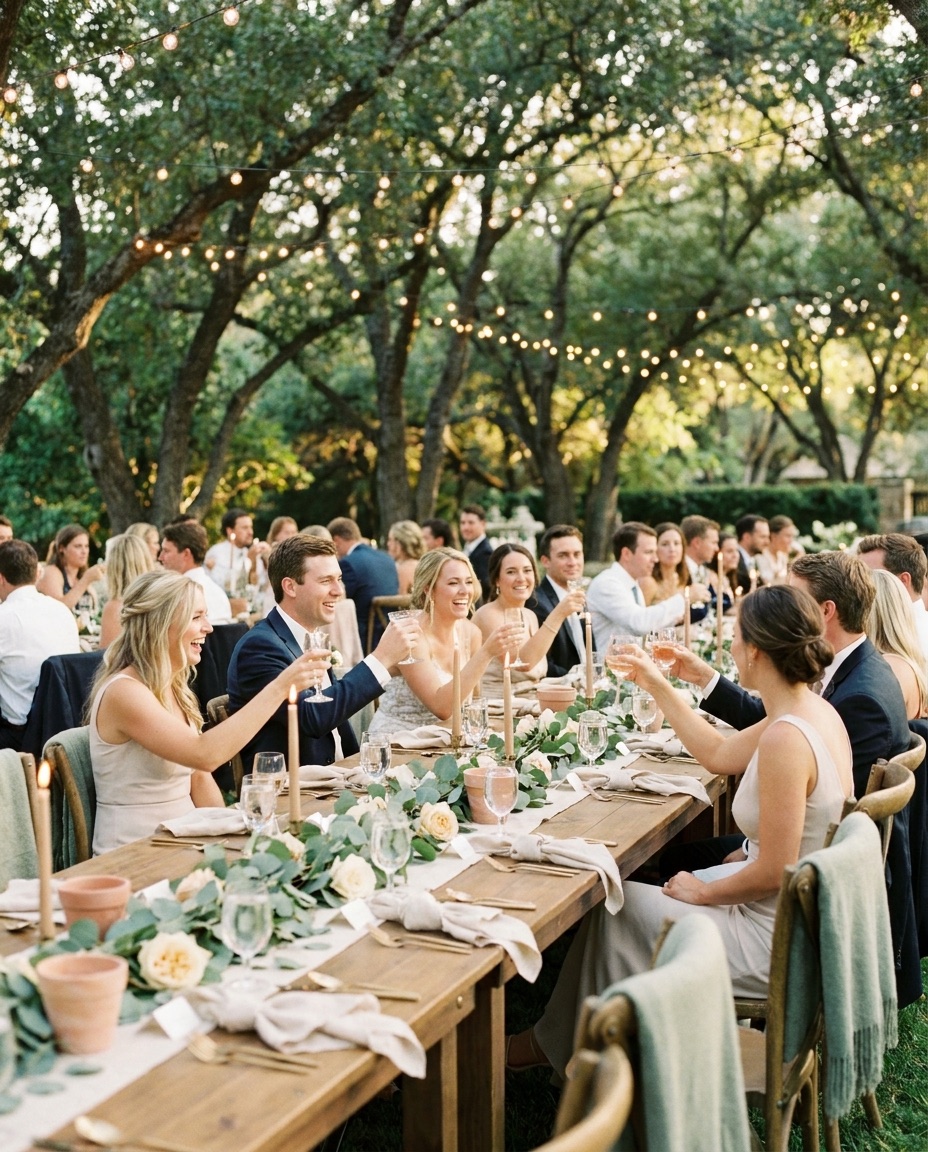
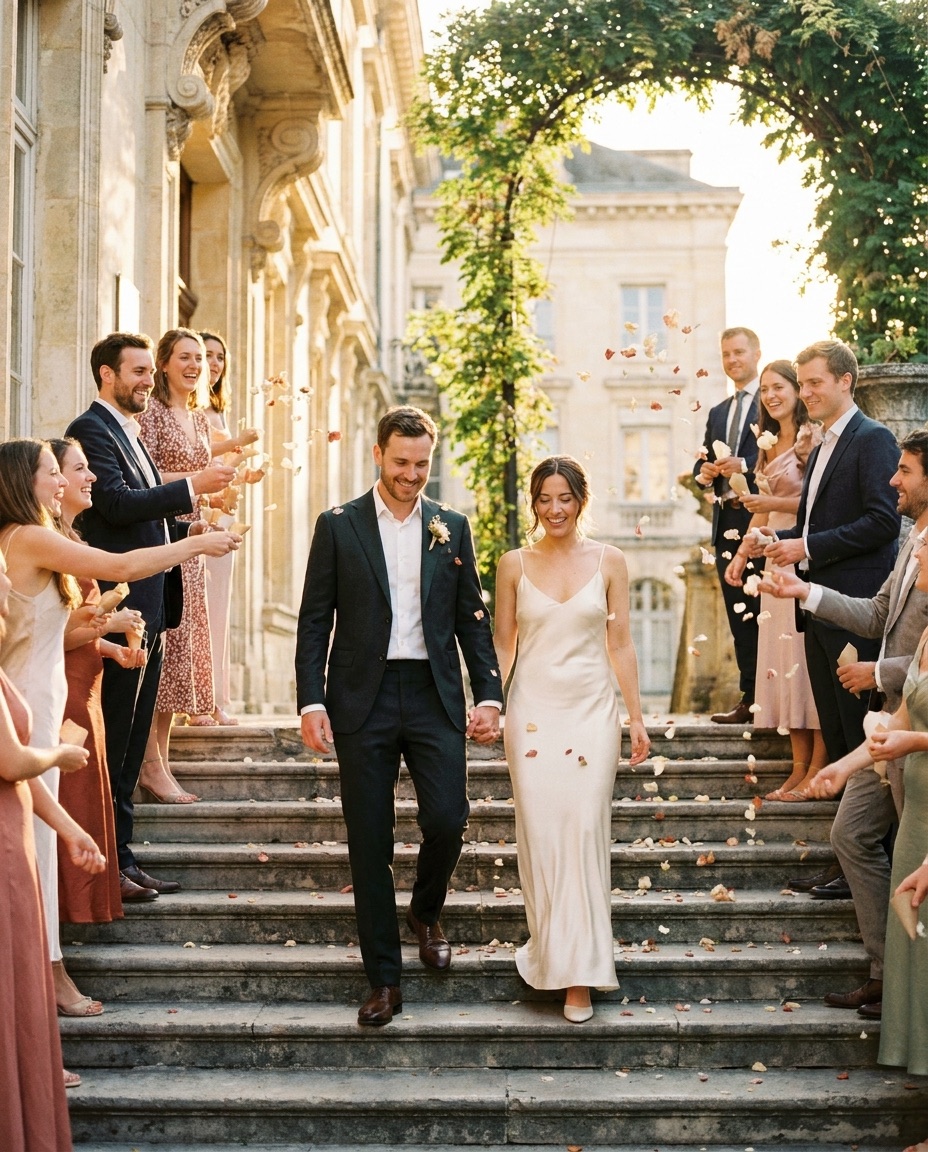
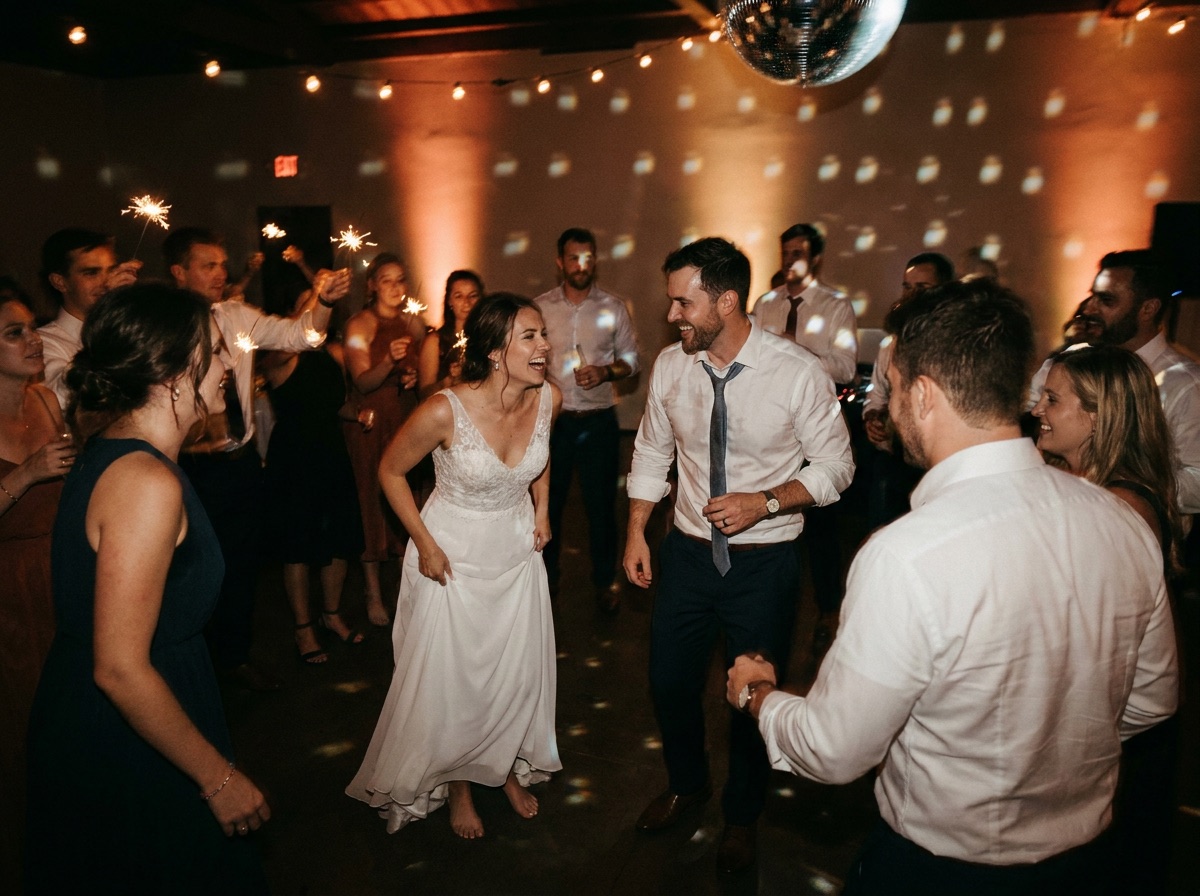
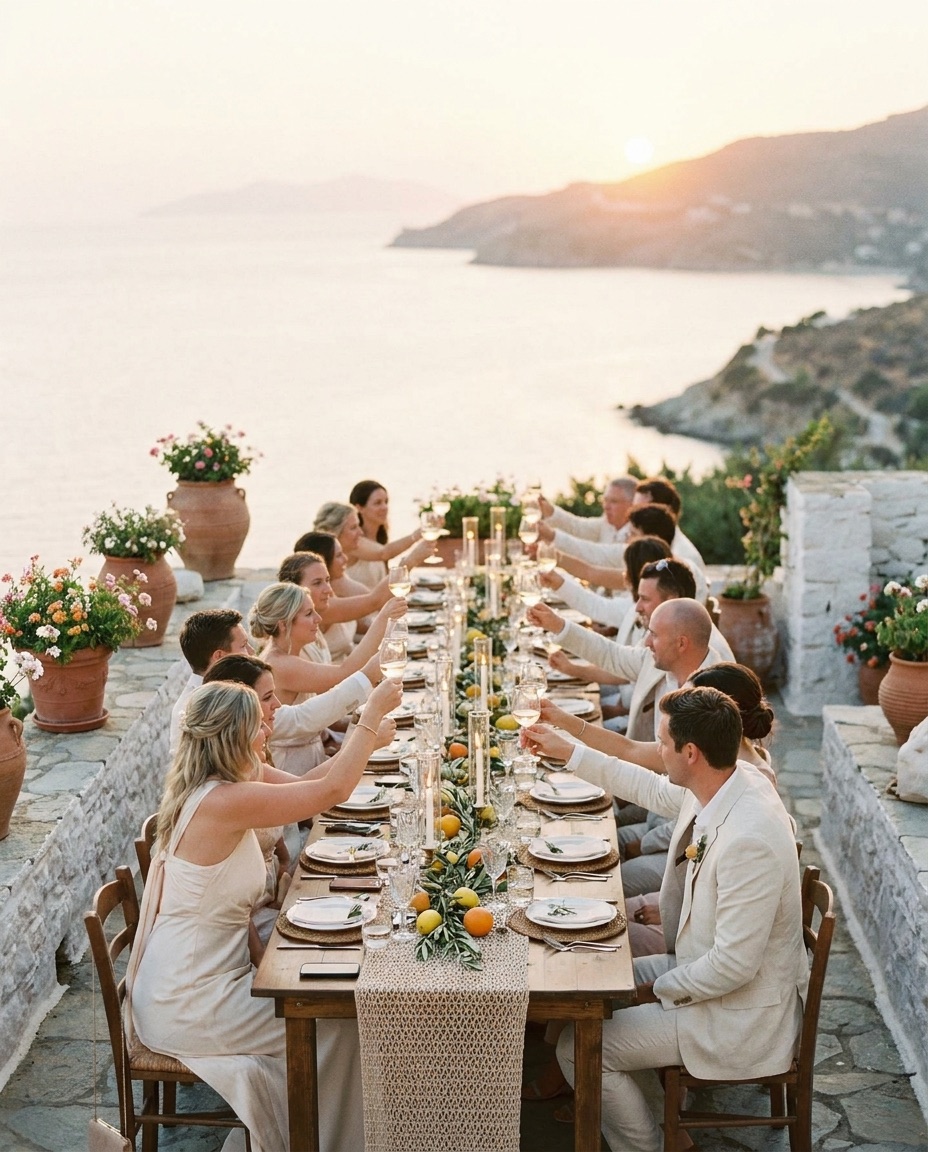
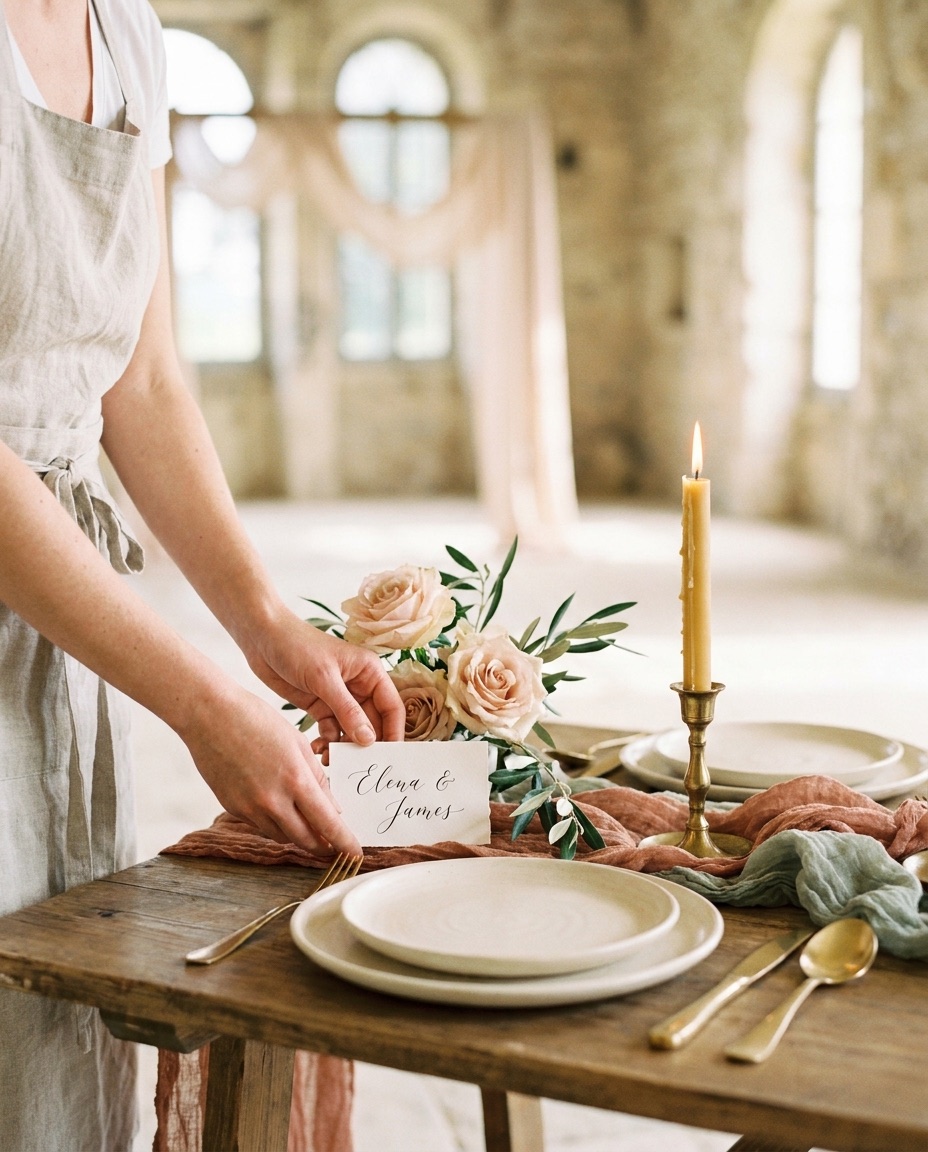
Saving money on a wedding does not have to mean stripping the day of personality. The better move is to shift spending toward the moments people remember, then cut the parts that unnecessarily inflate the budget, like oversized venues, heavy décor, or bundles of vendor labor that don't add much to the guest experience. That's the logic behind these unique ideas for weddings on a budget, and it matters even more when you look at how real couples spend. The Knot's 2026 Real Weddings Study reported an average U.S. wedding cost of $34,200, while couples budgeting $0 to $15,000 spent $8,900 on average and those budgeting $15,001 to $40,000 spent $26,400 (The Knot's 2026 Real Weddings Study).
The strongest budget weddings are coordinated, not patched together. A QR album needs a photo moderator, potluck food needs a food coordinator, and a DIY music setup needs one person who owns the playlist and the backup device. If you match each saving with a responsibility and a fallback, the day feels deliberate instead of stripped down.
Table of Contents
- 1. Crowdsourced Guest Photography with QR Code Collection
- 2. Potluck-Style Catering with Family and Friend Recipes
- 3. Backyard or Public Park Venues with DIY Décor
- 4. Hiring a Solo or Emerging Photographer Instead of a Premium Studio
- 5. Afternoon or Weekday Weddings with Brunch or Casual Reception
- 6. Digital Invitations and Paperless Planning Tools
- 7. Curated Playlist and DIY Sound System Instead of Live DJ
- 8. Hybrid Budget-Friendly Wedding Strategy
- 8 Budget-Friendly Wedding Ideas Compared
- Build the Wedding Around What You'll Remember
1. Crowdsourced Guest Photography with QR Code Collection
Guest photography works best when you make it effortless. Put a QR code on the table, the bar, the entrance, and near the dance floor, then send people to one private album instead of asking them to text files later or post into a hashtag void.
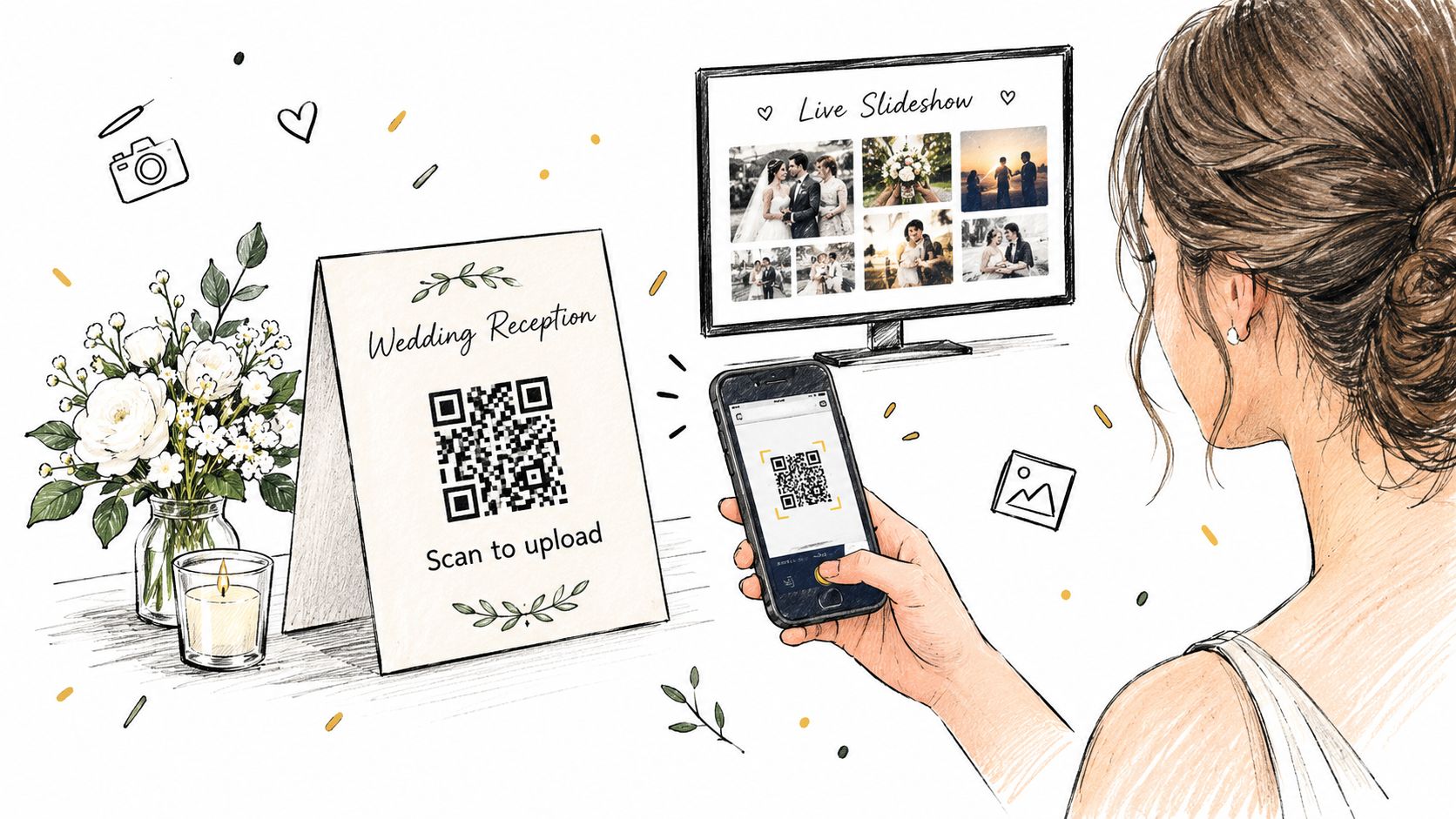
The biggest advantage is participation. A 2026 survey reported 60 to 80% participation for no-download QR systems, versus 20 to 30% for app-based workflows, and browser uploads were preferred at 78% versus 21% for required app downloads and 15% for hashtags (survey results). For a budget wedding, that means you can get broader candid coverage without paying for more hours from a photographer.
Practical rule: if guests have to install an app, participation drops. If they can scan and upload in the browser, they're far more likely to contribute while the moment is still happening.
The workflow stays manageable because the photo volume is usually smaller than people fear. Across 395 weddings, the median guest collection was 52 uploads, the top quarter exceeded 180, and 90% stayed under 1.9 GB of storage (photo statistics). That makes a browser-based album realistic for ceremonies, receptions, and after-parties, especially if you organize uploads into ceremony, reception, and candid sub-albums.
If you want a ready-made setup for this, the process is straightforward with The Wedding Pics guest photo sharing flow. Use printed cards, a live slideshow if you have a screen, and one person who can approve what appears publicly.
2. Potluck-Style Catering with Family and Friend Recipes
Potluck catering can feel deeply personal when it's organized with discipline. The point isn't to let everyone bring random dishes, it's to build a menu around the people who already know your food traditions best.
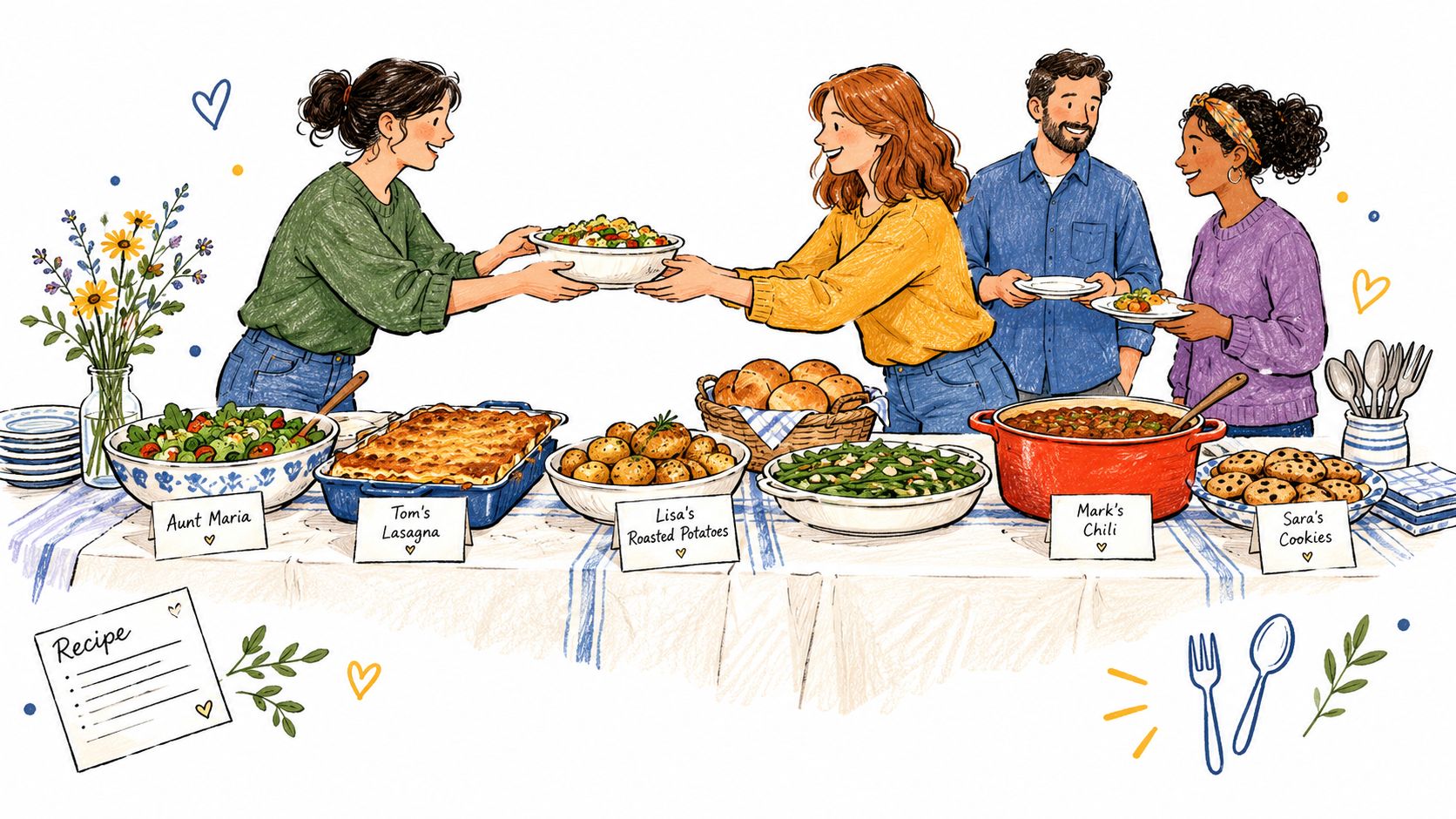
A strong potluck works when one person owns the master list. Assign categories early, like mains, sides, salads, desserts, and drinks, then ask for backup options so a cancellation doesn't leave a gap. In practice, this is especially useful for backyard weddings, intimate family gatherings, or cultural celebrations where recipes already carry meaning.
Make the menu feel intentional
The easiest mistake is asking guests to “bring something” without structure. That usually creates too many desserts and not enough savory food, plus heat-and-serve confusion at the venue.
- Create one shared sheet: Use Google Sheets, Airtable, or a shared board so everyone sees what's already covered.
- Label serving needs: Note whether each dish arrives cold, reheats in a slow cooker, or needs plating.
- Name a food coordinator: One person should manage timing, warming, and the buffet line.
- Document the contributors: Photograph the final spread and save names for thank-you notes and a keepsake menu.
A potluck also pairs well with guest photo collection, because the candid shots of people serving family recipes or talking over dinner become part of the story. The trade-off is coordination, not cost. If you don't assign a coordinator, the meal can feel improvisational in the wrong way.
3. Backyard or Public Park Venues with DIY Décor
The venue can protect your budget before décor enters the plan. A backyard, public park, family farm, or beach already provides atmosphere, so your spending can support the parts guests remember, such as shared food, participation, music, and complete photo coverage.
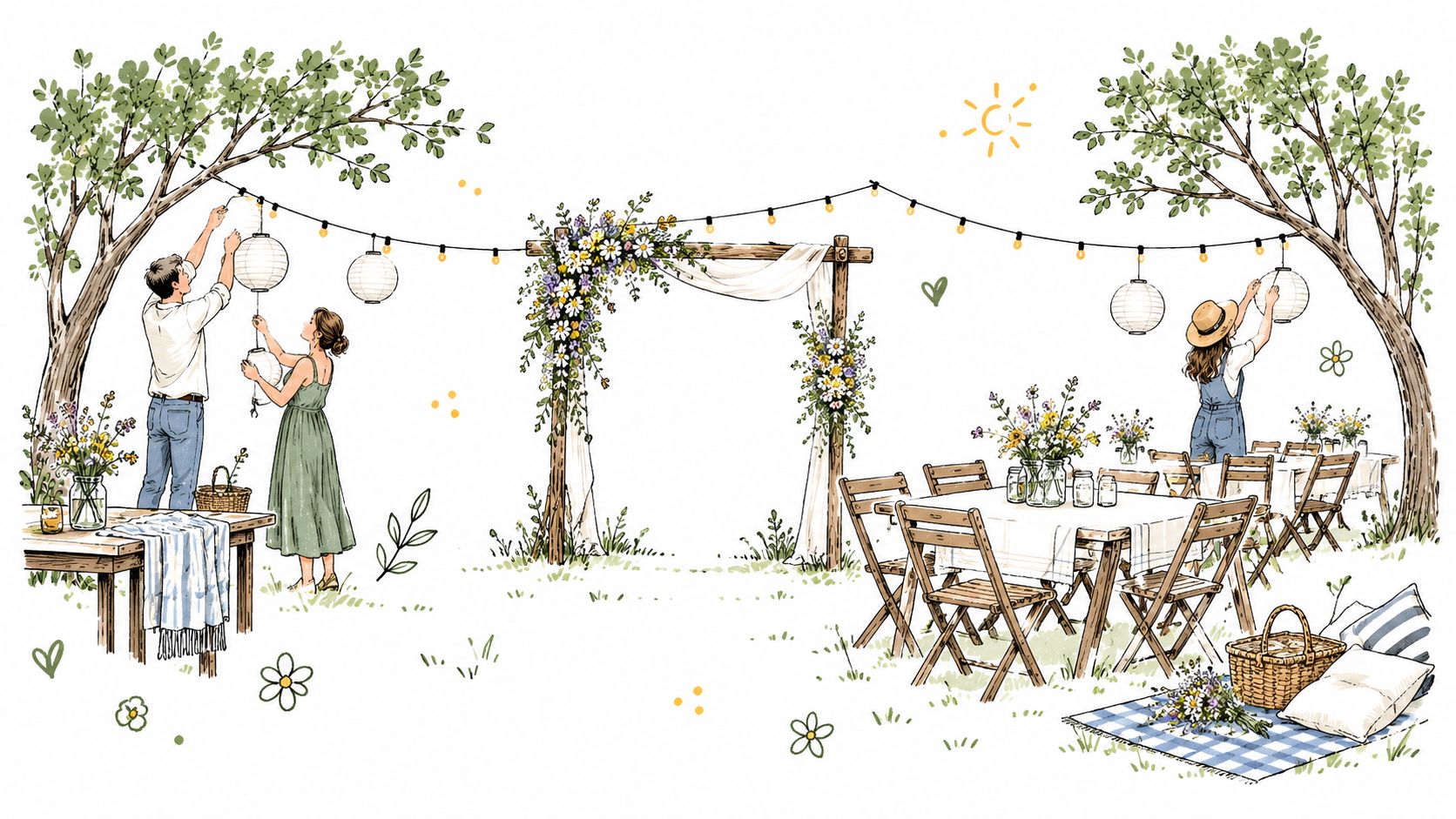
Start with a site check before buying anything. Visit at the ceremony time, inspect shade and power, confirm restroom and parking access, and ask public parks about permits and advance notice. Beaches and farms may need extra planning for guest access, uneven ground, or limited electricity. A weather backup, such as a rented tent or an indoor nearby option, protects the day from one forecast.
Let the location do most of the visual work. Choose a few reusable elements, such as string lights, paper lanterns, wildflowers, and rented tables, rather than collecting many small decorations. Assign setup and teardown to named people, not a general group chat. One person should also direct guest flow, vendors, and the transition from ceremony to reception.
The trade-off is labor and infrastructure. A low-cost site only saves money when someone handles tables, signage, lighting, waste, and weather changes. If those tasks remain unassigned, couples may spend the wedding solving practical problems instead of taking part in the moments they planned.
Set QR signs at the entrance, ceremony area, and reception before guests arrive. Those placements invite participation early and help collect candid photos throughout the venue, extending coverage beyond the photographer's scheduled time. Keep the signs visible but restrained so they support the setting rather than compete with it.
4. Hiring a Solo or Emerging Photographer Instead of a Premium Studio
A talented solo photographer can be a smarter fit than a premium studio when you want quality without paying for a big-brand process. The key is to judge actual work, not just a polished homepage.
Compare wedding content creator and photographer roles if you're deciding how much coverage you really need and where guest photos can fill gaps. For smaller weddings, that distinction matters because you may only need a photographer for portraits and core moments, then let guests handle the rest.
What matters most is consistency. Ask to see several full weddings, not just highlight reels, and pay attention to how they handle low light, group photos, and moving timelines. A newer photographer often brings more flexibility and personal attention, but you need a clear contract that covers hours, deliverables, cancellation terms, and backup plans.
Don't hire on personality alone. A warm call helps, but it doesn't replace full galleries, written terms, and proof that the photographer can work under real wedding conditions.
This is also a good place to be practical about coverage strategy. Book the emerging photographer for key events like vows, family portraits, and the first stretch of the reception, then use QR uploads as backup for candid moments. That combination protects the memories that matter most without paying premium rates for every hour of the day.
The limitation is obvious. Less-established photographers may need more guidance, and some couples will prefer the security of a more experienced studio. If you go this route, give them a strong shot list and a timeline that doesn't leave everything to chance.
5. Afternoon or Weekday Weddings with Brunch or Casual Reception
Off-peak timing is one of the cleanest ways to lower costs without changing the emotional tone of the day. A Friday afternoon, weekday, or morning wedding can feel relaxed, bright, and surprisingly elegant.
A brunch wedding also changes guest behavior in a good way. People arrive rested, conversation starts earlier, and the event often feels more social because nobody is waiting for a late-night dance floor to save it. Venues and vendors are often more flexible outside peak Saturday evening slots, which gives you more room to negotiate.
Keep the menu aligned with the clock
Brunch and lunch receptions work best when the food matches the time of day. Pastries, fruit, breakfast sandwiches, grazing tables, salads, and simple hot dishes feel natural in daylight. Heavy formal plating can still work, but it usually costs more than the format needs.
A short event window helps too. If you keep the celebration tight, you can protect energy and avoid the drift that makes receptions expensive. That also leaves more room for a live slideshow or guest upload moment without turning the day into a marathon.
The trade-off is scheduling. Guests may need more notice if they're taking time off work, and you'll need to be thoughtful about travel, childcare, and early arrival logistics. Still, for couples who care more about atmosphere than a late-night party, daytime weddings are often the easiest budget win.
6. Digital Invitations and Paperless Planning Tools
Paperless planning is more than a printing cutback. A digital invitation, RSVP form, and wedding website can put guest details, dietary needs, travel information, and updates in one place. That reduces follow-up work and leaves more attention for the parts guests remember, including food, participation, music, and photos.
Build one clear path from invitation to celebration. Guests should know where to respond, find directions, check the schedule, and upload pictures without searching through old messages.
Design the system around guest behavior
A practical setup includes:
- One central hub: Add the schedule, directions, dress guidance, registry, and contact details to the wedding website.
- Short RSVP fields: Ask about meal choices, dietary restrictions, plus-ones, and other details you will use.
- A QR code: Link printed reminders, the digital invitation, or a day-of sign to the guest photo album.
- Timed updates: Send the key details before the wedding and a focused reminder on the day, rather than filling inboxes with repeated messages.
For a practical example, The Wedding Pics QR code wedding invitations guide shows how an invitation can connect guests with photo collection. The same approach suits backyard celebrations, destination weekends, and any wedding where one reliable link is easier than several separate instructions.
Keep a phone RSVP option for older relatives and guests who are less comfortable with online tools. Assign one person to monitor responses, answer questions, and update the hub. Digital planning saves money and coordination time, but a rushed design or missing fallback can make the event feel impersonal and exclude guests. Choose a platform that matches the wedding's tone, then test every link before sending.
7. Curated Playlist and DIY Sound System Instead of Live DJ
A playlist can protect the mood and the budget, provided someone owns the music decisions. It suits smaller weddings especially well, but the savings come with coordination work. Guests should never be left waiting while someone searches for the next track.
Plan music around the moments guests experience. Choose ceremony songs, cocktail-hour background music, dinner selections, dancing tracks, and a backup playlist. Keep the volume low enough for conversation during food service, then raise the energy when dancing begins. A borrowed or rented speaker system can work for a small celebration if the venue has suitable acoustics and reliable power.
If the celebration continues after the reception, these wedding after-party ideas can extend the evening without adding a full entertainment package.
Make one person responsible for the sound
Set up and test everything at the venue before guests arrive. Check Bluetooth range, connection stability, volume, microphone compatibility, and access to power. Save the music on a second phone or USB drive, and keep chargers, cables, and an adapter in the equipment bag.
The music manager should receive the timeline and the couple's must-play and do-not-play choices. They can start each section, handle pauses, adjust volume, skip unsuitable requests, and keep transitions from interrupting conversation. A friend can take this role, but choose someone who will stay near the equipment instead of expecting them to participate fully in the reception.
The benefit is precise control over songs and timing. The limitation is coverage: a DIY setup will not read the room, make announcements, or solve technical failures by itself. For a small wedding, that trade-off may be worthwhile. Assign the role clearly, test the backup, and keep the equipment accessible from arrival through the last dance.
8. Hybrid Budget-Friendly Wedding Strategy
The strongest budget weddings do not cut every corner in the same way. They choose where to spend, where to simplify, and where guests can help without lowering the parts that carry the most meaning, especially food, music, memories, and full photo coverage.
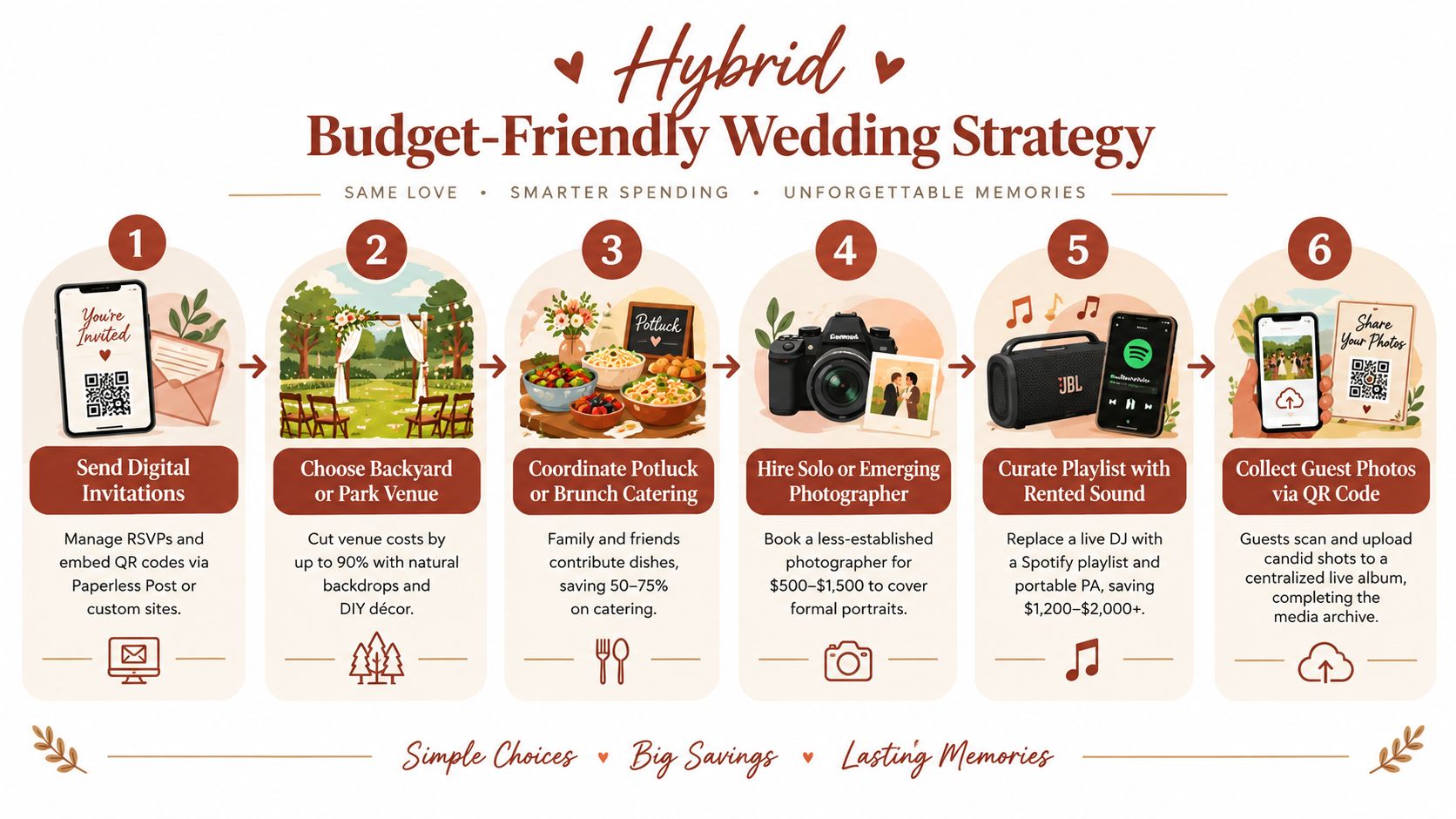
A practical hybrid plan might start with a backyard or park venue, then pair it with potluck brunch or a casual lunch. Add an emerging photographer for the ceremony and portraits, use QR codes for guest-uploaded candid shots, and run music from a curated playlist. That combination protects the moments people remember without turning every line item into a premium expense.
Coordination is what makes the savings work. One person needs to handle food, one should watch the photo uploads, and one should keep the music and equipment on track.
- Photo moderator: Approves uploads and keeps the album organized.
- Food coordinator: Tracks potluck dishes, serving times, and heating needs.
- Music manager: Starts playlists, handles transitions, and manages backups.
- Backup planner: Monitors weather, equipment, and any missing contributions.
Clear instructions keep the plan from fraying. Guests need to know how to submit photos and label dishes, and vendors need written expectations so the photographer, AV setup, and venue all understand who is responsible for each part of the day. If those roles are vague, savings can disappear into confusion, missing items, or last-minute fixes.
A hybrid strategy works because it spends where the experience is hardest to replace and coordinates the rest. That trade-off is practical, not fancy, and it lets the day feel complete without paying premium rates for every piece.
8 Budget-Friendly Wedding Ideas Compared
| Item | Implementation (🔄) | Resources & cost (⚡) | Expected outcomes (📊 ⭐) | Ideal use cases (💡) | Key advantages (⭐) | |---|---:|---|---|---|---| | Crowdsourced Guest Photography with QR Code Collection | Moderate 🔄, setup QR, moderation dashboard, live display | Low monetary cost; moderate staff/time for moderation & display ⚡ | Strong candid coverage; variable technical quality; centralized archive 📊 ⭐⭐ | Intimate, destination, multi-day, or hybrid weddings 💡 | Saves on additional photographers; real-time slideshow; guest engagement ⭐ | | Potluck-Style Catering with Family and Friend Recipes | Moderate 🔄, requires coordination, follow-up, contingency plans | Very low catering spend; high coordination time and food-safety oversight ⚡ | High sentimental value; variable presentation/consistency 📊 ⭐ | Family-traditional gatherings, backyard or cultural celebrations 💡 | Big cost savings; personalized menu; guest involvement ⭐ | | Backyard or Public Park Venues with DIY Décor | Moderate–High 🔄, scouting, permits, logistics, weather planning | Low venue fees; possible rental costs (restrooms, power, tent); DIY labor ⚡ | Highly personalized look; facility limitations; significant savings 📊 ⭐⭐ | Micro-weddings, elopements, DIY-focused couples 💡 | Major venue savings; creative control; intimate atmosphere ⭐ | | Hiring a Solo or Emerging Photographer Instead of Premium Studio | Low–Moderate 🔄, vetting, contracts, backup planning | Lower fees ($500–$1,500); limited backups/equipment risk ⚡ | Quality formal coverage with creative style; variable experience level 📊 ⭐⭐ | Budget-conscious couples seeking professional portraits; pairs with guest uploads 💡 | Affordable pro coverage; personalized service; print/digital rights ⭐ | | Afternoon or Weekday Weddings with Brunch or Casual Reception | Low 🔄, reschedule vendors, negotiate off-peak rates | Lower venue & catering costs; shorter event reduces vendor time ⚡ | Daylit photos; relaxed pacing; notable cost reductions 📊 ⭐ | Couples preferring daytime/brunch formats or off-peak savings 💡 | 30–50% venue savings; lower catering & lighting costs; natural light ⭐ | | Digital Invitations and Paperless Planning Tools | Low 🔄, select platform, create content, provide alternatives for some guests | Minimal cost; saves printing/postage; requires internet access and maintenance ⚡ | Faster RSVPs, easier updates, environmental benefit; central info hub 📊 ⭐ | Tech-savvy or eco-conscious couples; tight budgets; remote guests 💡 | Saves $300–800; automates RSVPs and tracking; embed QR links to album ⭐ | | Curated Playlist and DIY Sound System Instead of Live DJ | Moderate 🔄, curate long playlist, test equipment, designate music manager | Low rental cost ($100–$400); high prep time for playlists and cues ⚡ | Personalized soundtrack; no MC skills; risk of audio/management issues 📊 ⭐ | Small, casual receptions or couples prioritizing musical control 💡 | Saves $1,200–2,000+; full creative control; flexible song selection ⭐ | | Hybrid Budget-Friendly Wedding Strategy | High 🔄, coordinates multiple elements, vendors, and backups | Optimized combined costs; higher coordination overhead but lower total spend ⚡ | Comprehensive coverage (pro + guest photos); high personalization; maximal savings 📊 ⭐⭐⭐ | Couples wanting quality documentation with major budget savings 💡 | Best balance of cost savings and coverage; scalable & customizable approach ⭐⭐⭐ |
Build the Wedding Around What You'll Remember
The smartest unique ideas for weddings on a budget are the ones that protect the parts of the day you care about later. For many couples, that means keeping the ceremony clear, the food meaningful, the music intentional, and the photos complete, while letting go of the expensive extras that don't add much once the day is over. A backyard or park venue, collaborative food, off-peak timing, digital planning, guest-powered photography, and a selective professional vendor mix can work beautifully together if each piece has an owner.
Don't try to use every idea on this list. Choose the ones that fit your guest count, your family network, your comfort with DIY coordination, and the kind of atmosphere you want to create. A smaller celebration with a strong plan usually feels more generous than a bigger one that's stretched thin.
Start with the venue and date, because those two choices shape everything else. Then assign coordinators for food, music, and photos, secure the critical vendors, test any screens or speakers in advance, place QR signage where people will see it, and export the complete album after the upload window closes. That sequence keeps the day grounded in what matters, without wasting money on details nobody will remember.
The Wedding Pics helps couples pull guest photos, videos, and messages into one private album, which is a smart fit for budget weddings that still want complete coverage. If you're planning a QR-based photo flow, visit The Wedding Pics to see how a browser-based album can support your ceremony, reception, and after-party without adding app friction for guests.
- unique ideas for weddings on a budget
- budget weddings
- DIY wedding ideas
- low-cost wedding planning
- wedding photography