Digital Guest Book: The Complete Guide for Modern Weddings
Learn what a digital guest book is, how text audio and photo entries work, and how to fit one into your wedding flow.
From first scan to shared album
See digital guest book: the complete guide for modern weddings from the guest’s side.
Learn what a digital guest book is, how text audio and photo entries work, and how to fit one into your wedding flow.
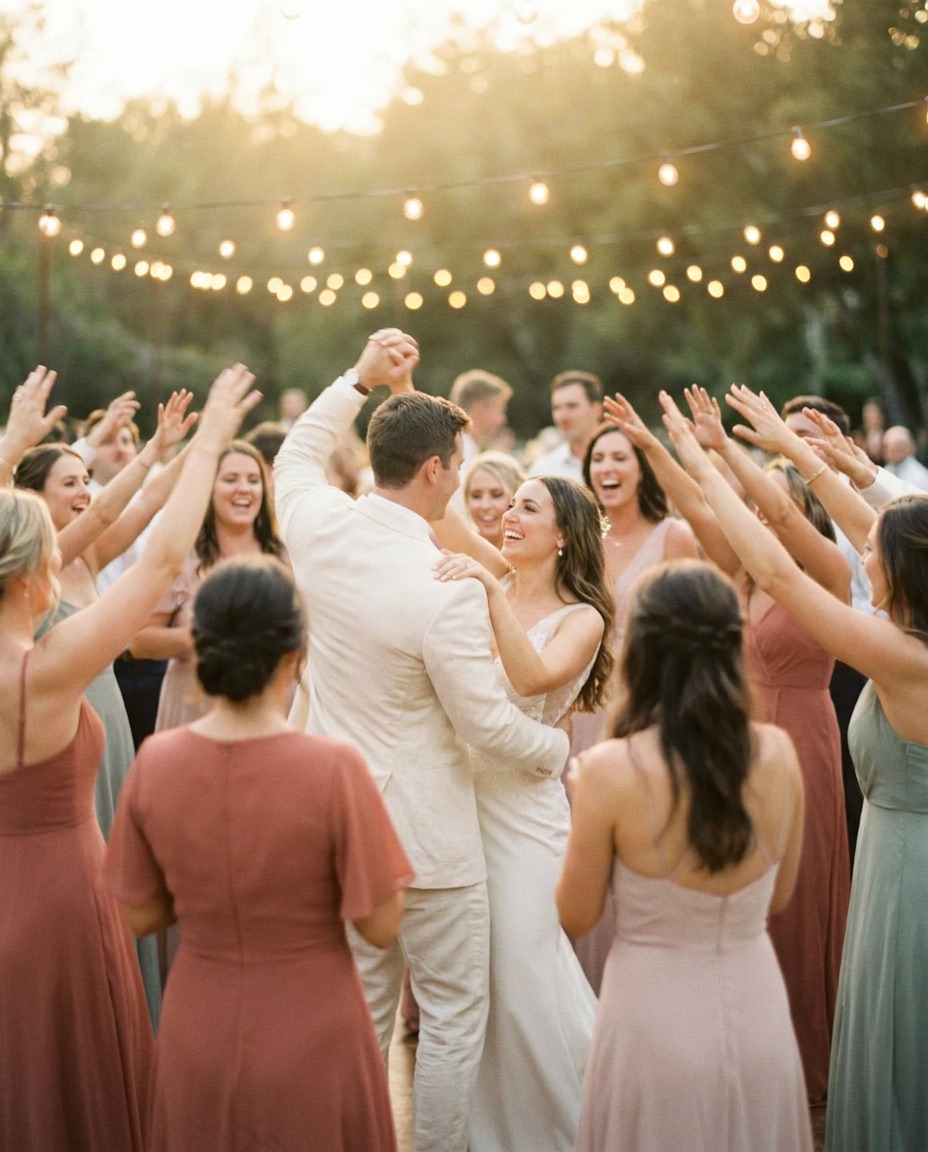
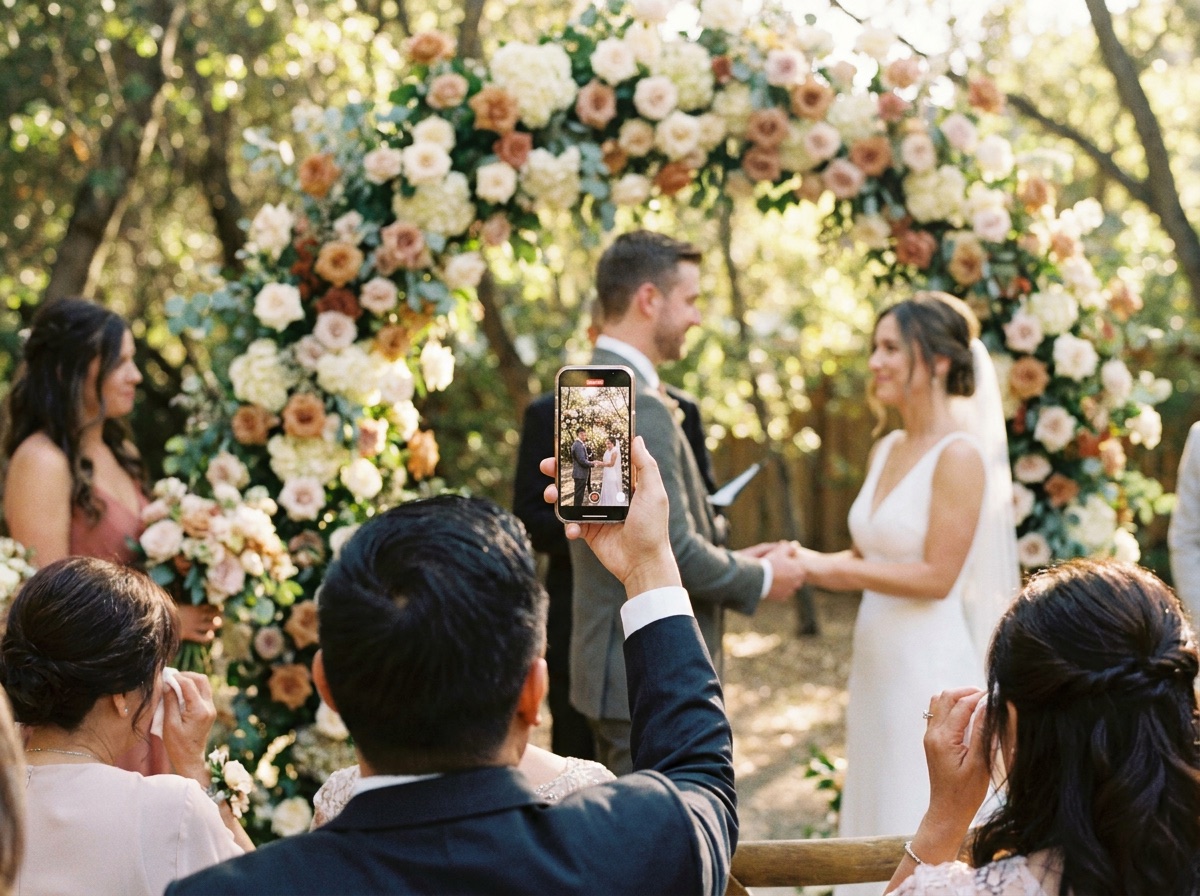

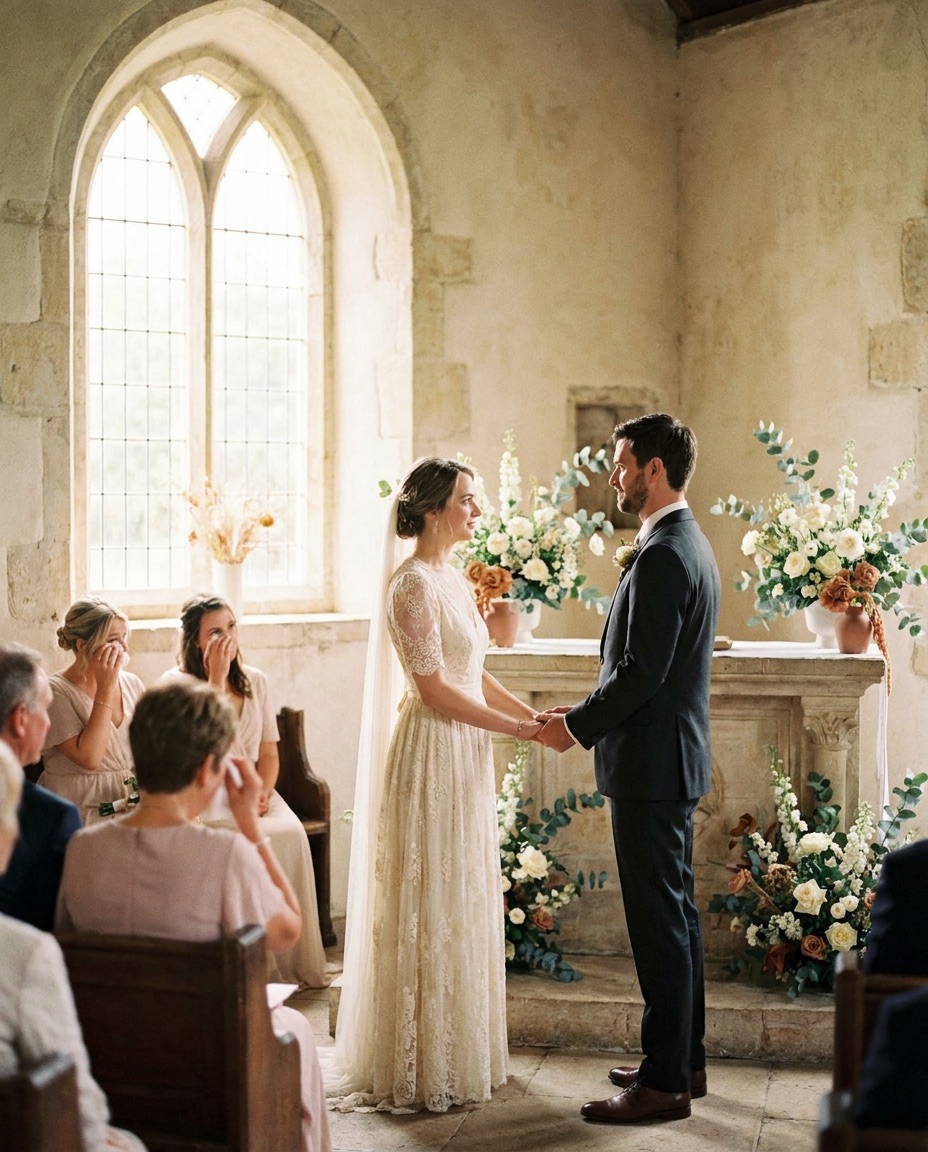



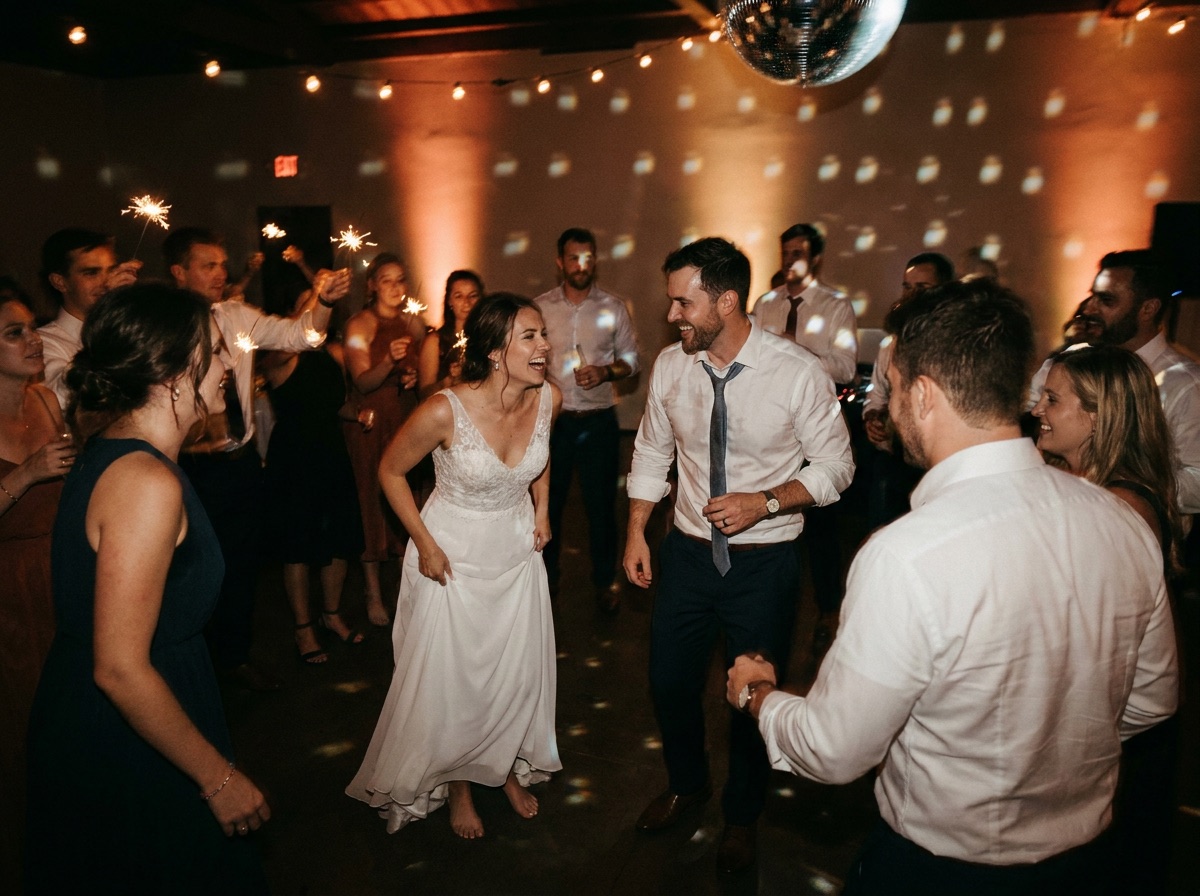


You're standing at the reception with a neat stack of QR cards, a few friends already sending photos in WhatsApp, and one aunt asking where she should write a note. The photographer is still working, the DJ is testing the sound system, and everyone's memories are already being split across phones, chat threads, and half-used paper books. A digital guest book solves that mess by giving guests one private place to leave messages, photos, videos, and voice notes without hunting for a separate app or trying to remember who received what.
Table of Contents
- What a Digital Guest Book Actually Is
- How Digital Guest Books Evolved From Web Visitor Logs
- Comparing Text, Audio, Photo, and Video Entries
- How a Browser-Based QR Upload Flow Works
- Fitting a Digital Guest Book Into Your Wedding Day
- Privacy, Consent, and Post-Event Data Governance
- Digital Guest Books Compared to Group Chats and Print Books
- Choosing the Right Setup and Storage Tier
What a Digital Guest Book Actually Is

At a wedding, the problem usually isn't that guests have nothing to share. The problem is that their photos end up in one chat, their videos in another, and their best-written note never gets copied anywhere at all. A digital guest book gives you one structured place to collect all of that, so you're not trying to reconstruct the day later from scattered phone messages and social posts.
Think of it as a capture system, not just a keepsake
Technically, the format is a web or software system that captures visitor inputs into structured records. Academic descriptions of the model say it allows users to directly enter data via a computer and can be used to track guest visits and attendance, which makes the underlying structure more like an event log than a loose comment box academic description of the system. For weddings, that structure matters because the best version doesn't just store names. It organizes text, photos, video, and sometimes audio into one private album.
That's the key difference from a shared Google Drive or a public hashtag wall. A Drive folder usually depends on people finding the folder, naming files correctly, and uploading later. A hashtag wall depends on public posts, platform compression, and whatever the platform decides to surface. A digital guest book is built around one event, one collection flow, and one couple-side archive.
Practical rule: if a guest can scan a code, write a note, and submit a file in under a minute, you'll get far more participation than if you ask them to remember a login or navigate a folder.
A useful mental model is this. The QR code is the front door, the private gallery is the memory vault, moderation is the filter, and export is the handoff at the end. When those pieces are connected, the wedding day stops depending on chance and starts acting like a planned capture workflow.
How Digital Guest Books Evolved From Web Visitor Logs

The modern wedding version feels current, but the behavior behind it is old. Website guestbooks were already established in the early web era, and one cited example, GuestWorld, reportedly had 1.1 million users in 1998 before being acquired for $3.9 million guestbook history and GuestWorld example. That tells you something important. People have wanted a place to leave a mark online for a long time.
From visitor logs to memory collections
Early website tools began as simple logs, then evolved into public comment spaces where visitors could leave names and short messages. The format changed again when mobile phones made it easy to capture photos and video in the moment, not hours later. Now the wedding guest book is usually tied to a QR code, a private event page, and a post-event archive, which is a very different use case from a general website log.
That shift matters because it changes the output. Instead of a public web page with comments, couples can get a private, event-specific album with written notes, photos, videos, and downloadable files. The format also lines up with the market itself. The global guest book market was valued at $1.8 billion in 2025 and is projected to reach $4.2 billion by 2034, with a 12.4% CAGR over the forecast period market signal for guest books. Within that market, digital and electronic guest books held 48.3% of global share in 2025, making them the largest segment same market report.
You can read that as a niche trend, but the numbers point the other way. The same source says digital guest books are expanding at 14.2% CAGR while paper alternatives are declining at 2.1% annually same market report. That's structural substitution, not a fad.
Why weddings adopted the format so fast
Weddings are a perfect use case because the event already produces mixed media. Guests take photos, someone records a speech, and the couple wants a keepsake that isn't limited to handwriting. A digital guest book turns that scattered impulse into one private collection. It's the same instinct that powered the old web guestbook, only now it's mobile, visual, and tied to a real event timeline.
Comparing Text, Audio, Photo, and Video Entries
A couple setting up a digital guest book usually has one decision that shapes everything else, which entry types should do the work. Text, audio, photo, and video each collect a different kind of memory, and they do not ask the same effort from guests. If the mix is off, participation drops or the archive feels flat later, even if the setup looked complete on paper.
| Entry Type Trade-offs at a Wedding | What It Captures Well | Common Weakness | Best Wedding Use | |---|---|---|---| | Text | Short wishes, advice, names, quick congratulations | Can feel brief or generic | Fast participation during arrivals and dinner | | Audio | Tone, laughter, warmth, spontaneous emotion | Shy guests may freeze up | Voice messages from close family and friends | | Photo | Candids, guest outfits, table moments, dance floor energy | Needs good lighting and a clear prompt | Guest perspectives the photographer won't catch | | Video | Movement, expressions, speeches, playful reactions | Harder to ask for in the moment | Short messages from key guests and late-night moments |
Text is the easiest place to start. It suits guests who are in a hurry, older relatives who do not want to perform for a camera, and anyone who prefers a simple written note over a recorded message. A scan, a sentence, and they are done. No one has to worry about framing, lighting, or sound.
That simplicity has a trade-off. Text gives you sentiment, but it can stop short of personality once the wedding is over. A written note can say, “We're happy for you,” yet still miss the laugh, pause, or inside joke that made the message feel personal in the room.
Audio and video solve that problem in different ways, and they ask for different levels of confidence from guests. Audio keeps the voice, which means you hear warmth, timing, and emotion even if the person is standing in a hallway or away from the dance floor. For couples who want that format, this audio guestbook wedding setup guide shows how voice capture fits into a reception without making the process feel complicated.
Video captures the most context, but it also asks the most from the person recording. Guests usually need a bit of time, a prompt card, and enough comfort to speak on camera. A short video can be wonderful for a parent, sibling, or close friend who has something to say beyond a quick greeting. For everyone else, it can feel like more effort than they want to give in the middle of a busy night.
Photos fill a different gap. A wedding photographer cannot catch every table reaction, side conversation, or dance floor moment, and guest photos make that hidden layer visible. They also make the archive feel lived in instead of staged, because they reflect what guests noticed, not only what the timeline called for. A practical setup usually combines two or three formats rather than relying on a single one, with text for broad participation, photo for everyday coverage, and audio or video for the guests who are ready to say more.
How a Browser-Based QR Upload Flow Works

The cleanest QR flow is the one guests barely notice. They see a card, scan it, and land on a mobile page that opens in the browser. No app download, no account creation, no sign-in loop, no explanation from the couple or the planner. Guidance for wedding QR guestbooks consistently points out that no-app access is the biggest factor for participation, because it removes the biggest point of hesitation wedding QR guest-book guidance.
The four layers that matter
The physical layer is the sign itself, usually a table card, welcome sign, or bar sign with a QR code. The browser layer is what opens after the scan, and that part needs to feel instant. Guests should see a simple upload page, not a confusing dashboard.
The upload layer handles the actual media. High-quality platforms preserve original files, which is important if you plan to print the images later or archive them properly. The same guidance that recommends no-app access also highlights original-quality preservation and bulk ZIP export as operational advantages wedding QR guest-book guidance.
Why moderation belongs before public display
The dashboard layer is where the couple or planner reviews submissions before they appear on a slideshow or in a shared gallery. That matters more than some might expect. A guest may upload a blurry shot, a duplicate, or something private that shouldn't go straight onto the venue screen. Moderation lets you keep the public-facing gallery polished while still storing everything privately.
Pending uploads should stay private until someone on the couple's side approves them. That one rule avoids awkward screen moments and protects the album's tone.
Why export matters at the end
A lot of couples focus only on the upload moment, then forget the back end. Export is where the archive becomes usable. If you can download a complete ZIP or individual originals, you're not trapped in the platform later. That's the difference between a keepsake and a filing system.
For a practical setup checklist, the wedding QR code guide is useful if you're deciding how the sign, scan, and gallery should connect on the day.
Fitting a Digital Guest Book Into Your Wedding Day
A digital guest book works best when it is part of the event flow, not an afterthought. A wedding has different moods from one hour to the next, and the best entry format changes with that rhythm. Guests who are arriving are usually scanning signs and checking their phones. Guests who are eating, talking, or dancing need a different prompt.
Use the day in phases
At arrival, place the QR card on the welcome table or beside the seating chart. People already have their phones out, and they are looking for simple direction. A short text prompt fits this moment well because guests can leave a quick note while the room is still settling.
Cocktail hour is a better fit for audio if your crowd is comfortable speaking into their phones. Guests are less rushed, and they are already talking in small groups, so a voice note feels natural instead of forced. A grandmother leaving a warm message or a college friend telling a short story both fit this window without slowing the flow of the room.
After dinner, photo and video become more useful. The tone loosens, the dance floor opens, and guests are more willing to capture candid moments from the night. This is usually the point where the archive starts to feel more alive, because people are no longer trying to keep their hands free for plates and place settings.
A couple planning a photo-heavy reception can also point guests to a privacy-first wedding photo setup if they want clearer boundaries around what gets shared and what stays private.
Keep the venue screen on a moderation gate
If you are using a live slideshow, do not show raw uploads automatically. Approved photos can rotate on the venue screen while pending ones stay in the queue. That gives you real-time energy without risking a blurry file, a duplicate, or a private joke appearing in front of everyone.
Moderation works like a check-in desk. Guests can still drop off their message, but the couple or planner decides what gets displayed publicly. That keeps the gallery polished while the full archive remains intact behind the scenes.
A simple rule helps the day stay organized.
- Arrival prompt: text and quick sign-ins.
- Cocktail-hour prompt: voice notes for closer family and friends.
- Reception prompt: photos and short videos.
- Send-off prompt: one last note before guests leave.
Sub-albums help when the wedding has more than one moment worth archiving. Ceremony, reception, after-party, and pre-wedding events can sit under the same umbrella without forcing everything into one oversized pile. The archive stays easier to review later, and each part of the celebration keeps its own context.
Privacy, Consent, and Post-Event Data Governance

Most digital guest book guides stop at “collect the memories.” They skip the harder question, what happens after the wedding. That gap matters because wedding media includes faces, children, jokes, and late-night content that guests didn't necessarily expect to be shared forever. The privacy context is broader than weddings too, since the OECD reports that around 75% of countries now have data protection or privacy legislation OECD privacy context noted in the brief.
Privacy controls should be visible, not buried
At a minimum, couples should know who can view the gallery, who can download files, and whether the link is searchable or private. A private event page should feel intimate to guests, not public by accident. If the album uses an invite-only setting or a PIN, that should be obvious on the upload page and in the wedding signage.
Moderation matters here too. A couple should control what reaches the public gallery or venue slideshow, especially if the album includes guests who don't want to be featured. That's especially relevant for children, relatives who are cautious about sharing, and guests who ask for a late deletion.
Retention needs a real end date
The storage window shouldn't be vague. Guests behave differently when they know the album closes on a clear schedule, and couples behave differently when they know when to export everything. A good privacy policy explains how long uploads stay available, whether the couple can download the full archive, and what happens after deletion.
If a platform can't answer who can see the media, who can delete it, and when the archive closes, it's not a finished event tool.
There's a practical family-side reason to be careful too. One guest may be fine being photographed in a crowded room, but not fine being reposted later. Another may be comfortable with a funny video staying in the album but not on a social feed. Clear consent language keeps those boundaries manageable.
For a deeper look at this side of planning, the wedding photo privacy guide is the right companion read if you're setting rules for uploads, approvals, and deletion requests.
Digital Guest Books Compared to Group Chats and Print Books
Group chats feel easy because everyone's already in them. That's also their weakness. Photos scatter across WhatsApp, iMessage, and Instagram DMs, and the couple gets whatever people remember to forward. A digital guest book wins on centralized capture, original-quality preservation, and couple-side moderation, while a chat thread wins only on familiarity and casual back-and-forth.
Traditional print books solve a different problem. They're tactile, visible, and familiar to older guests. They also create a physical keepsake, which some couples want. But they're limited to signatures and short notes, and they depend on guests finding the table, signing at the right moment, and not skipping it on the way to the bar.
Choose by what you want to keep in ten years
If your priority is a framed object on a shelf, a print guest book still makes sense. If your priority is voices, candid photos, and a searchable archive, a digital guest book fits better. If you want both, many couples keep a small physical signing element and use QR-based capture for the rest.
Three questions usually settle it fast.
- Guest comfort: will your crowd happily scan and upload, or do they prefer a pen and page?
- Memory type: do you want handwriting, multimedia, or both?
- Aftercare: do you want a finished book on the shelf, or a downloadable archive you can sort later?
The best choice isn't the trendiest one. It's the one your guests will use and your future self will open.
Choosing the Right Setup and Storage Tier
The cleanest decision is to start with the wedding itself, not the product page. A smaller event with one reception needs less storage and fewer sub-albums than a multi-day celebration with a rehearsal dinner, welcome party, and after-party. From there, decide how long guests should be able to upload, how long you want the archive available for download, and whether you need custom QR cards or a branded guest page.
A useful checklist looks like this.
- Storage tier: match capacity to guest count and how much photo and video you expect.
- Upload window: choose a period that covers the wedding and any late arrivals.
- Archive period: make sure you have enough time to download the ZIP after the event.
- Sub-albums: use them if you're splitting ceremony, reception, and side events.
- Visual fit: confirm the QR card design and guest-page look match the wedding style.
One more practical choice matters. Decide how strict moderation should be. If the venue wants a live slideshow, approval needs to happen fast. If you care more about the finished archive than the live display, you can be slower and more selective. That one decision shapes the whole workflow.
Pick the setup that fits the way your guests will behave, not the one that looks best in a product screenshot.
The Wedding Pics gives couples a private, QR-based way to collect guest photos, videos, and messages in one place, without asking everyone to download an app or make an account. If you're planning a wedding and want the guest book to work as a real capture system, visit The Wedding Pics and see how the album, moderation, and export tools fit your day.
- digital guest book
- wedding guest book
- QR code wedding
- wedding photo album
- guest book ideas